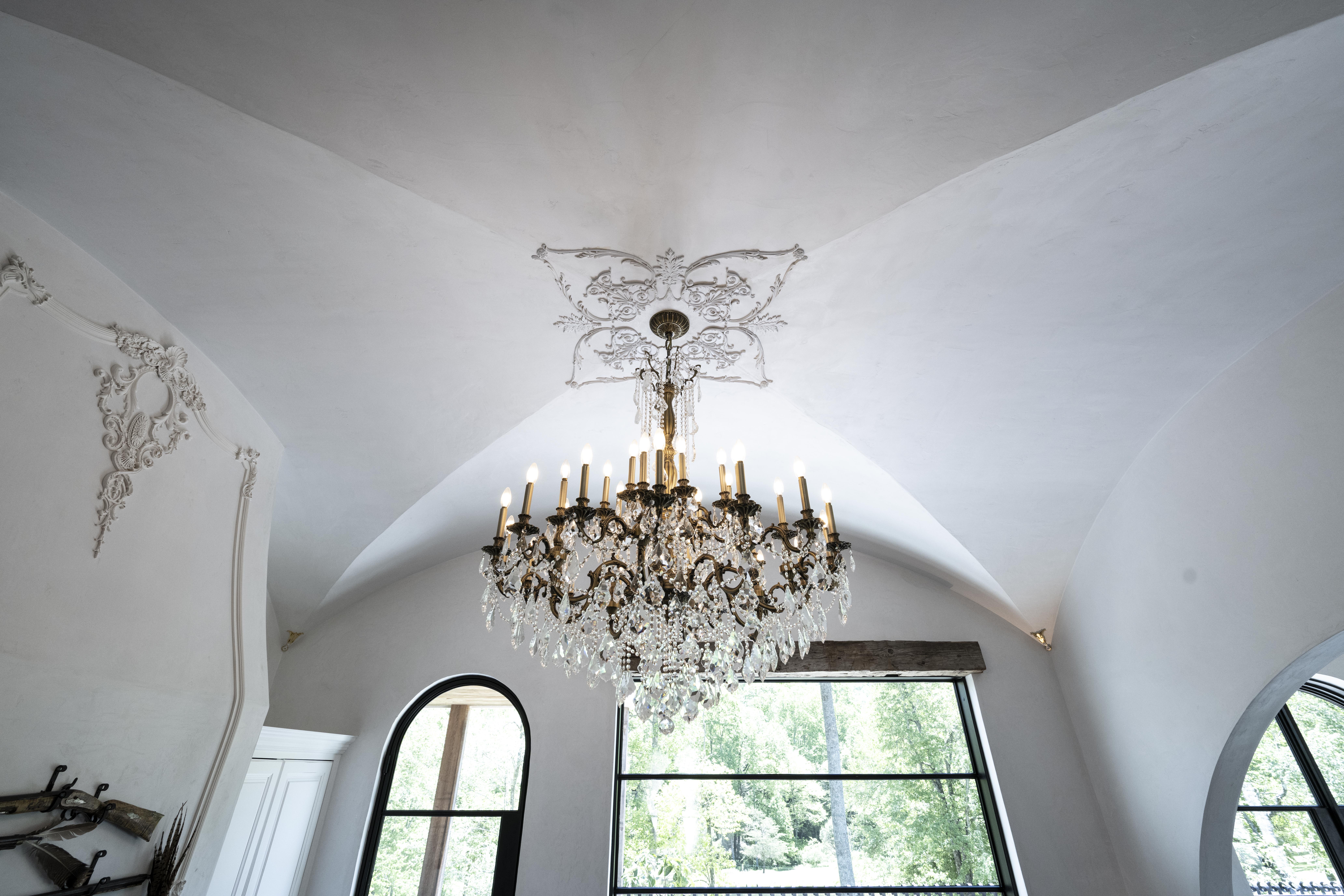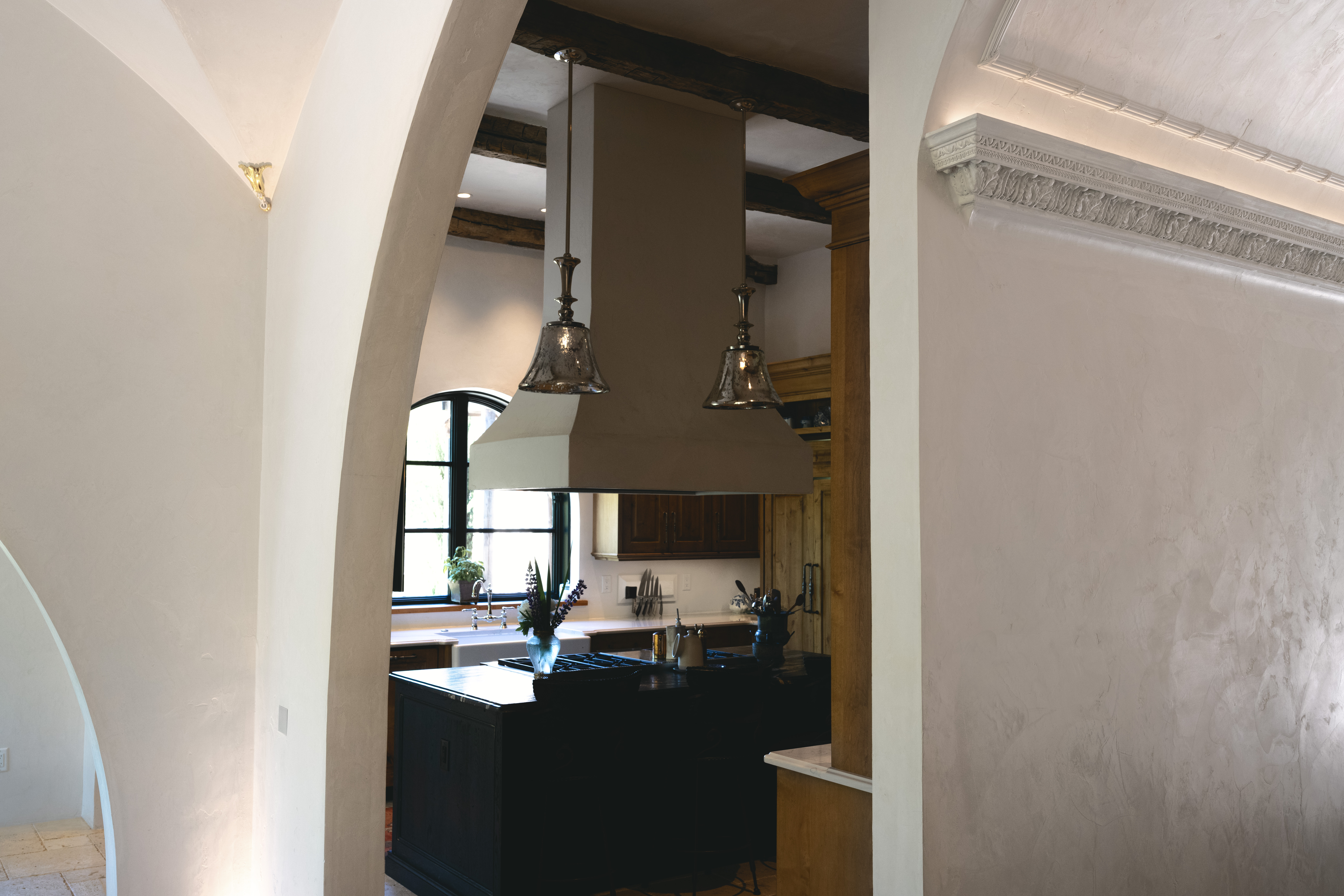

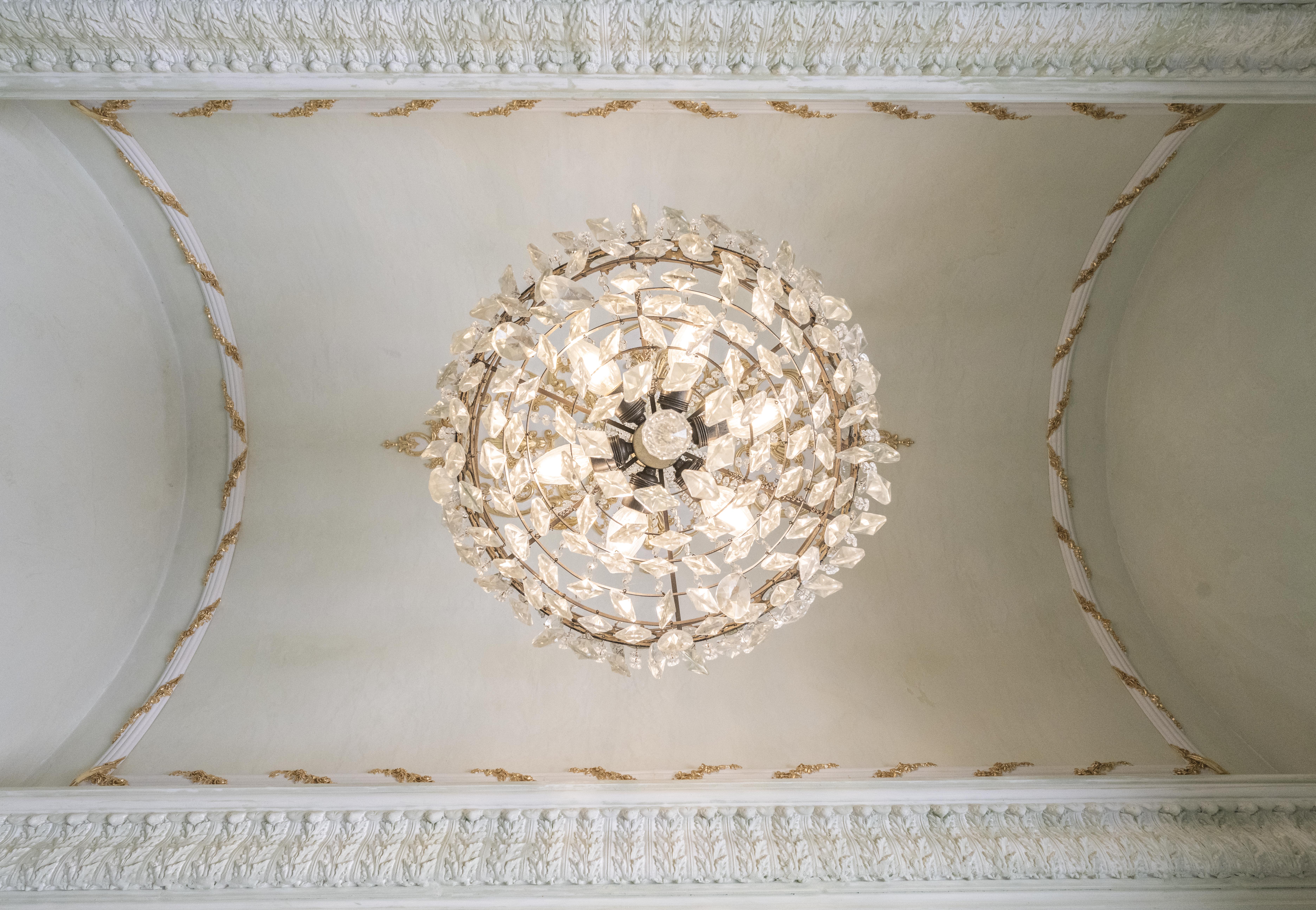
Ornamental plaster is moving back into high-end residential work. Cornices, ceiling roses, base reveals, and applied ornament are being specified again by architects who want the wall and the profile to read as one material. Here is why, where, and what to ask for.
How ornament dropped out of the residential vocabulary
The drop-off is visible in the housing stock. Through the first third of the twentieth century, a working-class American house could carry a run cornice in the parlor, a chair rail returning the dining room, and a pressed or run ceiling rose under whatever fixture hung from the joists. By the late 1950s, that vocabulary was gone from new construction in most of the country, and by the 1970s the trades that kept it alive were retiring without replacements.
The reasons were practical, not aesthetic. Postwar housing demand pushed builders toward systems that could be framed, rocked, taped, and painted by general carpenters on a single schedule. Lath-and-plaster needed a separate trade, a separate cure window, and a separate site visit. Ornamental work needed all of that plus a horse, a template, and a plasterer who had run the profile before. Gypsum board and applied trim collapsed that into one workflow on a tighter calendar.
What got lost was the assumption that a wall and its ornament are the same material. By the time the residential market settled into its current shape, “molding” meant something glued or nailed to a finished wall, and “plaster” meant a remediation problem in a hundred-year-old house. Both definitions are recent.
Why it is coming back
Three pressures are pushing the work back into the spec books. The first is restoration. The stock of pre-1940 houses that owners are willing to invest in has grown, and the surveys those projects produce keep turning up original plaster ornament hiding under three layers of latex paint and a drop ceiling. Restoration architects working in Federal, Greek revival, Italianate, Tudor revival, Beaux-Arts, and Colonial revival houses have started writing run-in-place cornices and cast roses back into drawings as a matter of course.
The second is the high-end new-build market. A new house at the upper end of the residential market is now expected to read as a permanent piece of architecture rather than a finished product, and clients in that bracket are asking for material decisions that age. A real cornice does not separate from the wall in the second summer. A real ceiling rose does not yellow under a chandelier. The longer the room is meant to last, the harder it gets to specify a substitute that ages on a different schedule from the wall it sits on.
The third pressure is craft availability. For thirty years, the assumption was that the trade had collapsed past the point of recovery. It had not. Family studios that kept running cornices through the lean years are now training a second generation, and architects who would not have known where to send a drawing in 2005 know where to send one in 2026.
What “real plaster ornament” actually means
The distinction worth drawing on a residential project is not real-versus-fake. It is whether the ornament is continuous with the wall. Applied trim made of polyurethane, MDF, or pressed paper solves a specific problem: it gives a builder a fast way to suggest a profile on a finished wall, on a single trade’s schedule. Those products are not the same scope as a run cornice and they do not behave the same way in the room. They sit on the wall. A plaster molding is the wall, shaped.
That difference matters when the architect cares about how the cornice catches afternoon light across the parlor, how the rose reads in the same field as the ceiling around it, and how the whole assembly ages over decades. Continuous material reads continuous. Applied profile reads applied. Both are honest answers to different briefs. The revival is happening on projects where the brief calls for the first answer.
For a walk through the three fabrication methods (run in place, shop-cast, hand-modeled), see the companion piece on plaster moldings in a Federal residence.
What to ask a contractor who says they can do it
Most contractors who can run a real plaster cornice can describe one in under three sentences. Most who cannot, cannot. The conversation a specifier needs to have before signing a scope is shorter than the spec itself.
- Ask which method, by profile. Run in place, shop-cast, or hand-modeled. A contractor working in real plaster ornament will name the method for each ornament on the drawing and will know why. A contractor whose “plaster moldings” are foam profiles bedded in joint compound will not have a comfortable answer.
- Ask about the horse. For any continuous profile, ask to see the horse, the template, or photos of one from a prior project. The horse is the physical artifact that proves the trade is in the shop.
- Ask about blocking and attachment. Cast ornament does not hang off a single layer of paper-faced board. A real spec names the blocking sized to the cast weight, the mechanical attachment through pre-drilled bosses, and the bedding adhesive. A contractor who skips that conversation has not installed cast plaster in a residence.
- Ask for the sample-board pass. Sample boards reviewed in the actual room, under the actual light, signed off by the architect or designer before production begins. This is the gate that protects the design. A contractor who treats the sample-board pass as an inconvenience is telling you what the install will be.
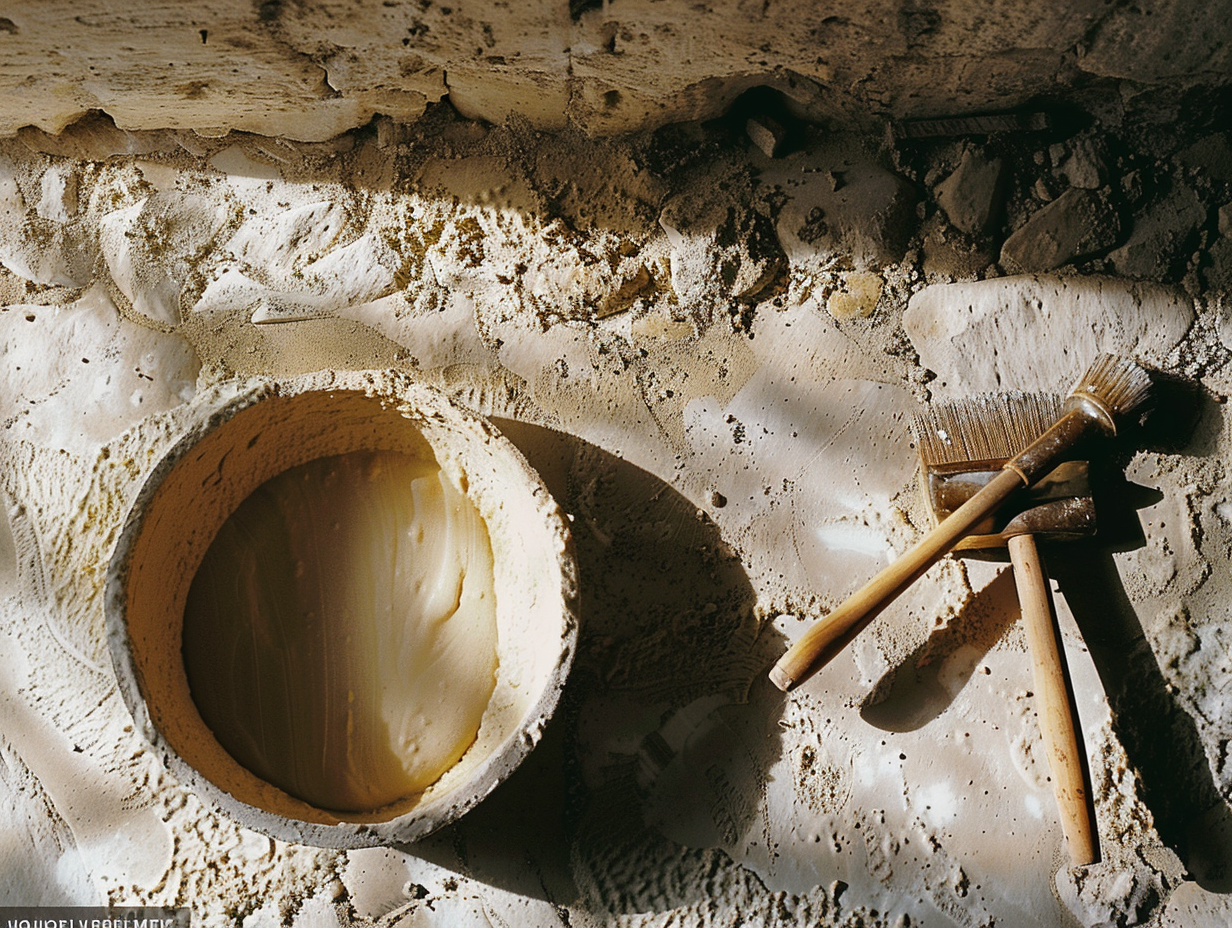
- Ask about lime versus gypsum. Lime for run-in-place ornament continuous with body plaster and for most exterior or breathable applications. Gypsum for shop-cast interior pieces where sharp relief matters. A studio that works in only one material across all conditions is solving every problem with the same hammer.
For the spec language that captures those answers in a drawing, see the topical piece on writing a plaster spec for an architect’s drawing.
Where the work is landing
In our own portfolio, the revival is reading three ways. Restoration projects in pre-1940 houses across the Southeast, where survey work uncovers original profiles that need matching, extending, or replacing. New residential commissions where the architect is writing run cornices and cast roses into rooms that have never carried them. And ornamental scopes on contemporary residences that want the depth of a real profile without the period vocabulary, often as a single restrained cornice lifting the ceiling of an otherwise modern room.
Across all three the working language is the same. Lime and gypsum. Run, cast, hand-modeled. Horsed templates and mockups under raking light. Sample-board sign-off in the room. The trade is the trade it has always been. Residential drawings are calling for it again.
Plaster by Orciani has been running and casting ornamental plaster since 1981, second-generation, out of Asheville with a second base in Central Florida. If you are drawing ornament back into a residence and want a read on the spec or the methods, start with a conversation. Contact the studio.