



Plaster by Orciani. Asheville NC. Est. 1981
A studio for
specified plaster.
A second-generation specialty plaster studio for residential, hospitality, and commercial interiors of consequence. Headquartered in Asheville, North Carolina, with a second base in Central Florida. Available across the continental United States.
LIVE Studio open. Commissions 2026, 2027

01
. Studio Statement
Founded 1981
Headquarters Asheville, NC
Second Base Central FL
Scope Residential
Hospitality
Commercial
Restoration
Hospitality
Commercial
Restoration
Principal J. Orciani
Commissioned Continental US
We are a working studio. Every surface on every project leaves our hands, mixed, pigmented, troweled, and burnished, to standards set before the age of gypsum board. Founded in 1981 and now second-generation, the studio works with the architects, designers, builders, and homeowners who want a wall that is a material, not a finish.
Discipline Lime · Stucco · Venetian · Marmorino · Ornamental
Commissioned By Architects · Designers · Builders · Homeowners
Territory Asheville NC · Central FL · Continental US


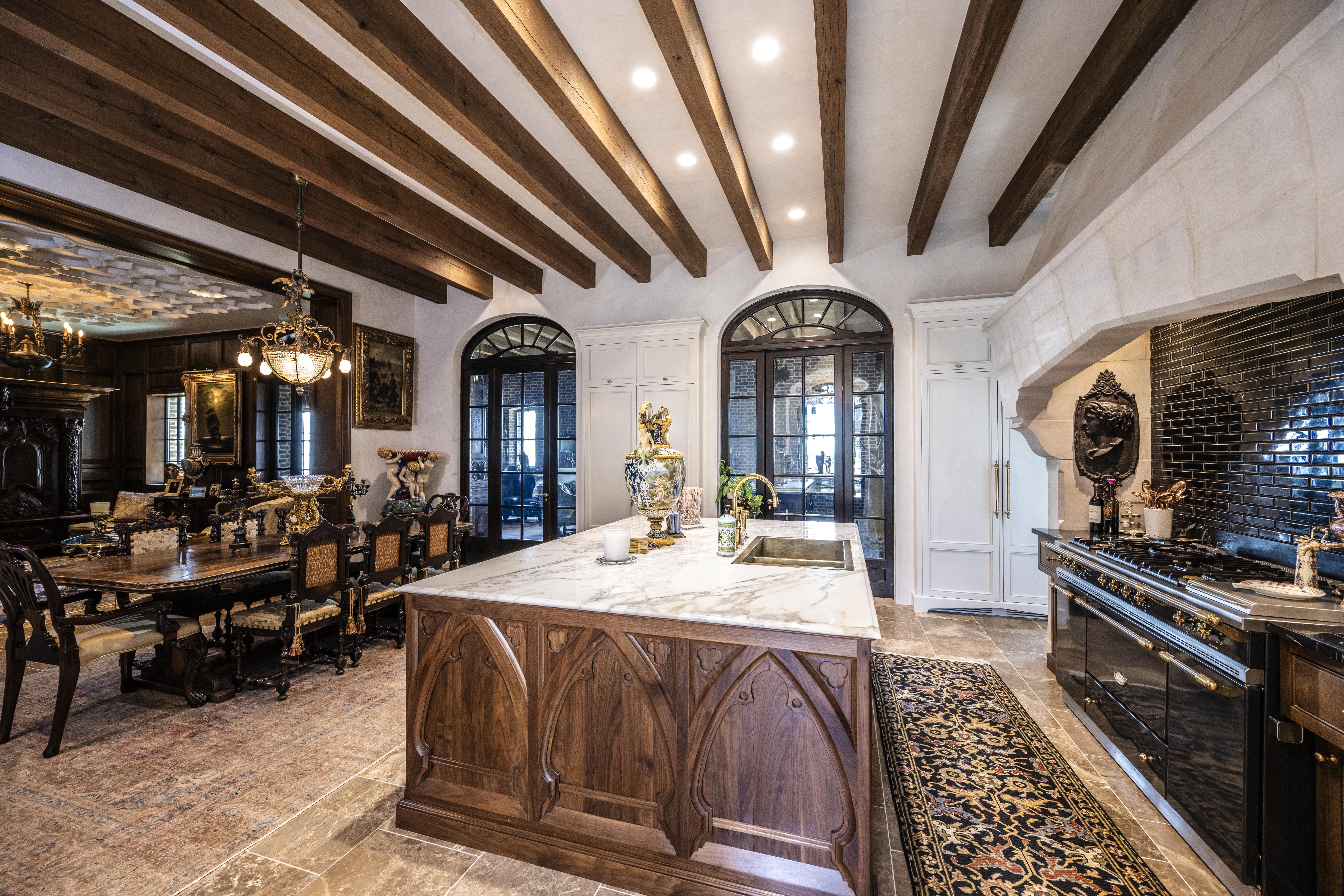
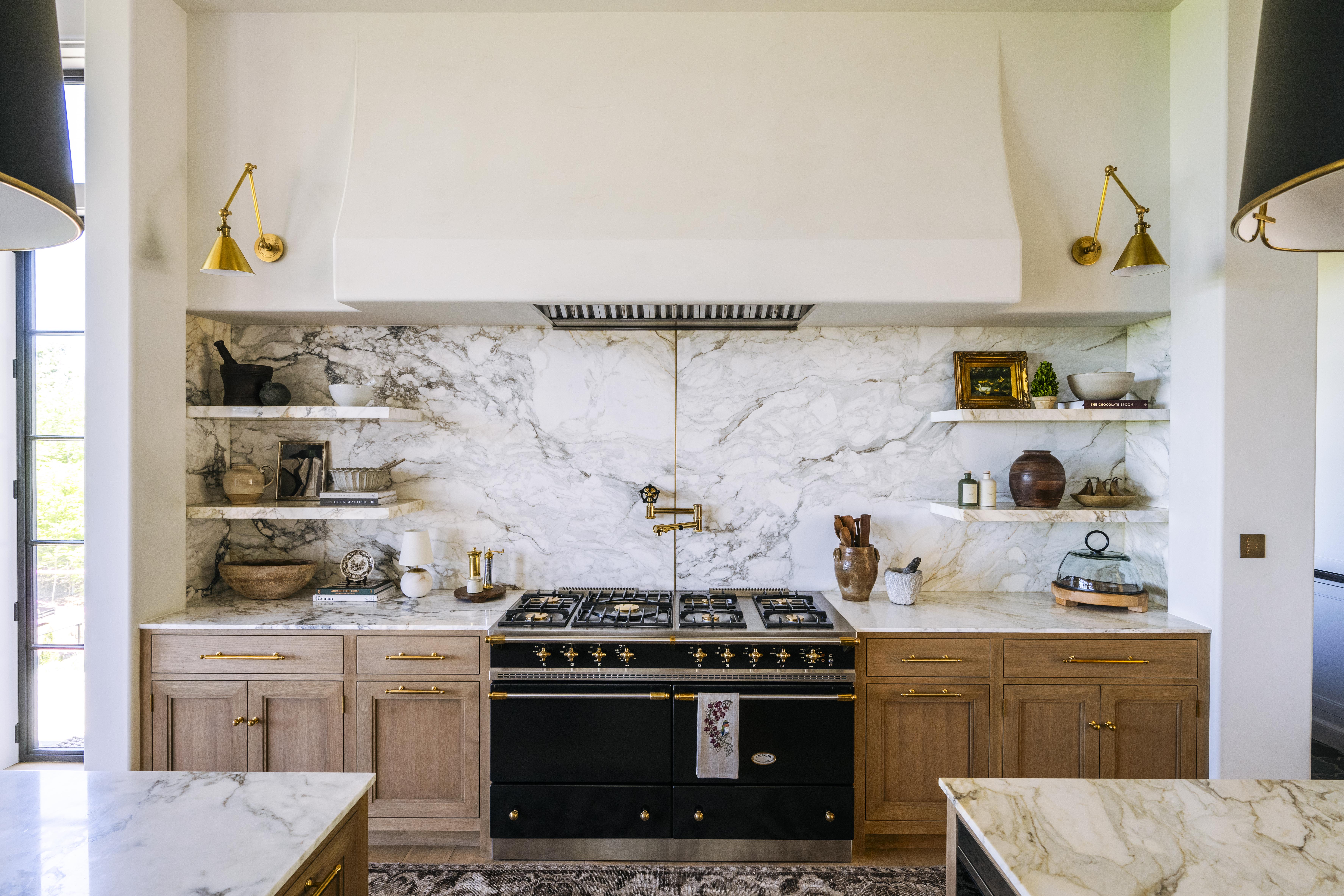
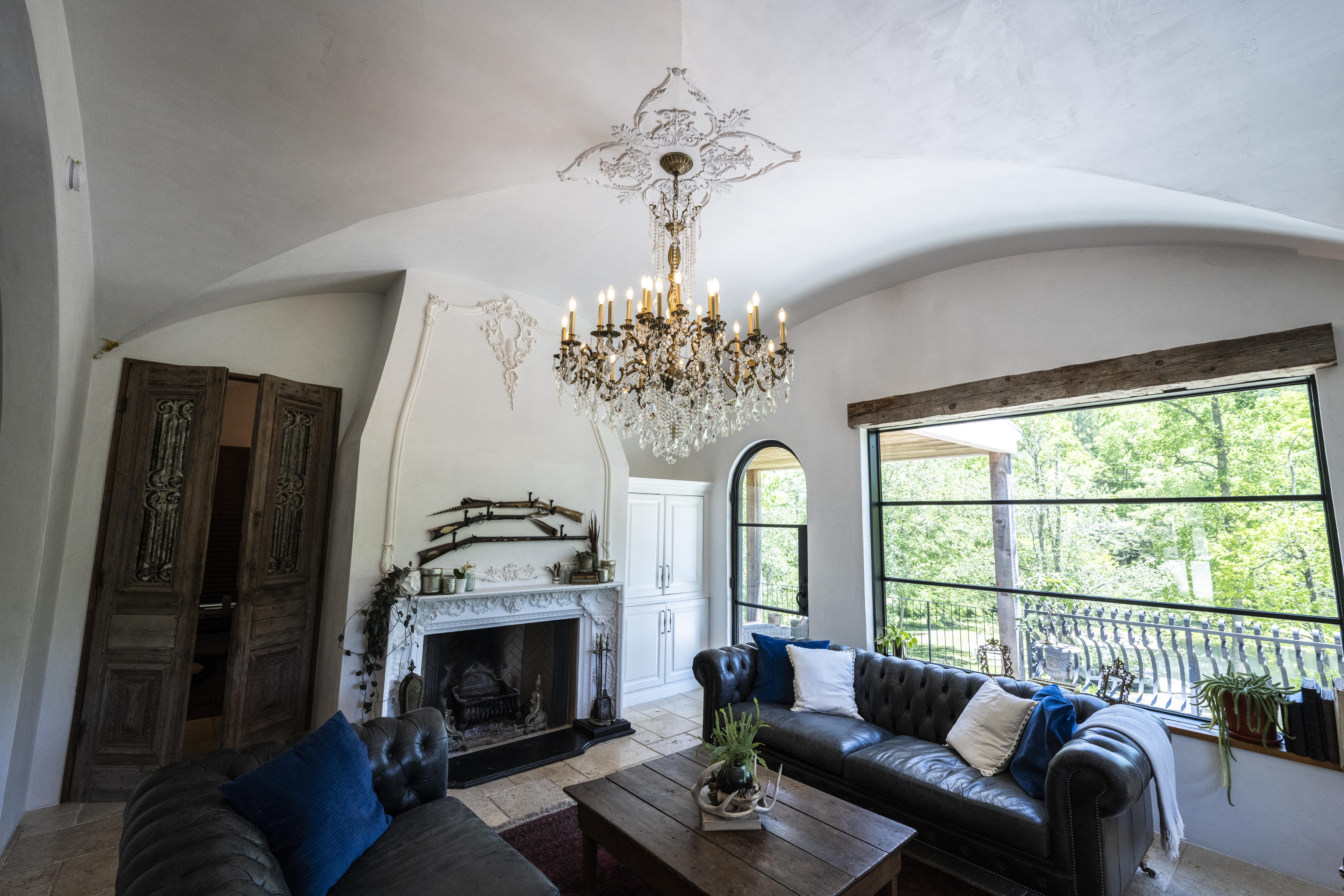
03
. Ten finishes. One studio.
03.01
Limestone Plaster
Finely graded lime putty with marble dust, applied wet-on-wet and burnished. A room's undertone, not its top-coat.
Surface · burnished · pigmented
03.02
Veneer Hardcoat
A hardened lime base built to take architectural detail. Moldings, ornament, feature walls that need structural integrity, not just aesthetic.
Surface · structural · ornament-ready
03.03
Venetian Plaster
Lime and marble dust, polished in translucent passes until the wall holds light the way stone does.
Surface · translucent · polished
03.04
Marmorino
A Venetian cousin. Tighter grain, matte sheen, lime-rich. A mineral surface that reads warmer in residential interiors than polished plaster.
Surface · matte · tight grain
03.05
Tadelakt
Moroccan lime polished to a smooth seamless surface, sealed with a mineral seal and wax. Waterproof at the touch. At home in showers, hammams, and wet rooms.
Surface · waterproof · seamless
03.06
Lime Paint
A breathable mineral wash. Slaked lime and pigment, brushed in thin layers to leave a soft cloudy depth that ordinary paint can't imitate. Matte, UV-stable, and alive to the light.
Finish · mineral wash · UV-stable
03.07
Plaster Moldings
Cast, run, or hand-carved ornamental work. Cornices, ceiling roses, base and chair rails, fabricated to historical standards.
Ornament · cast & run · restoration-grade
03.08
Custom Stucco
Pigmented lime-sand mixes, troweled for texture or sanded for a matte finish. Exterior and interior, always specified to substrate.
Surface · lime-sand · interior / exterior
03.09
EIFS / Synthetic
Exterior insulated finish systems for architectural envelopes that need thermal performance with a plaster aesthetic.
Envelope · thermal · engineered
03.10
German Schmear
A thin lime-mortar parge brushed across brick or stone, leaving the masonry texture showing through. The European farmhouse look done with real materials, never paint.
Exterior · lime-mortar · partial coverage
04
. Process & Studio
Every commission begins with a brief and a proposal. From there, color-approved sample boards travel to you. The wall is touched only after the boards are signed off. No color-chip approvals. No change orders after the sample is signed.
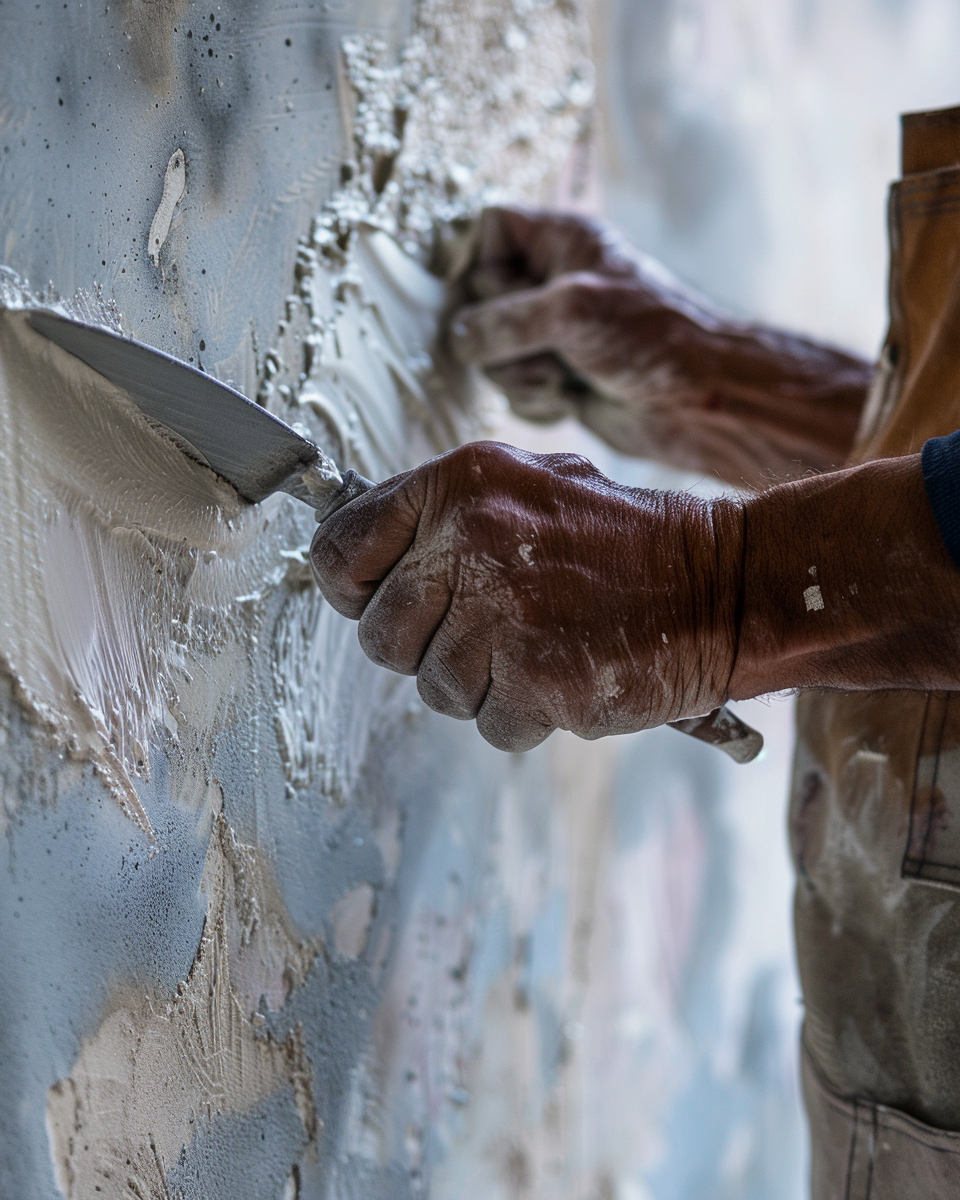
Studio · Sample Board · Limestone Plaster FRAME 044
01
Brief & proposal
Send a print or photos of the space with dimensions and a few inspiration shots. Within five business days we issue a written proposal. Finishes, color direction, scope, schedule.
02
Sample boards
Once the proposal is approved, we mix sample boards in your selected colors. 16×16-inch boards, pigmented and finished, for sign-off before the wall is touched.
03
Crew-led application
Installed by our own crew on a scheduled sequence. Mixed, troweled, burnished, every coat documented. Walk-throughs done as needed on site to dial any final adjustments.
04
Delivery & care
Photographic record, care guide, and a walkthrough. A named point of contact for the life of the wall.
Start with a conversation Four steps. Then the wall.
05
. Writing from the studio.
2026 · Q2 POST 01
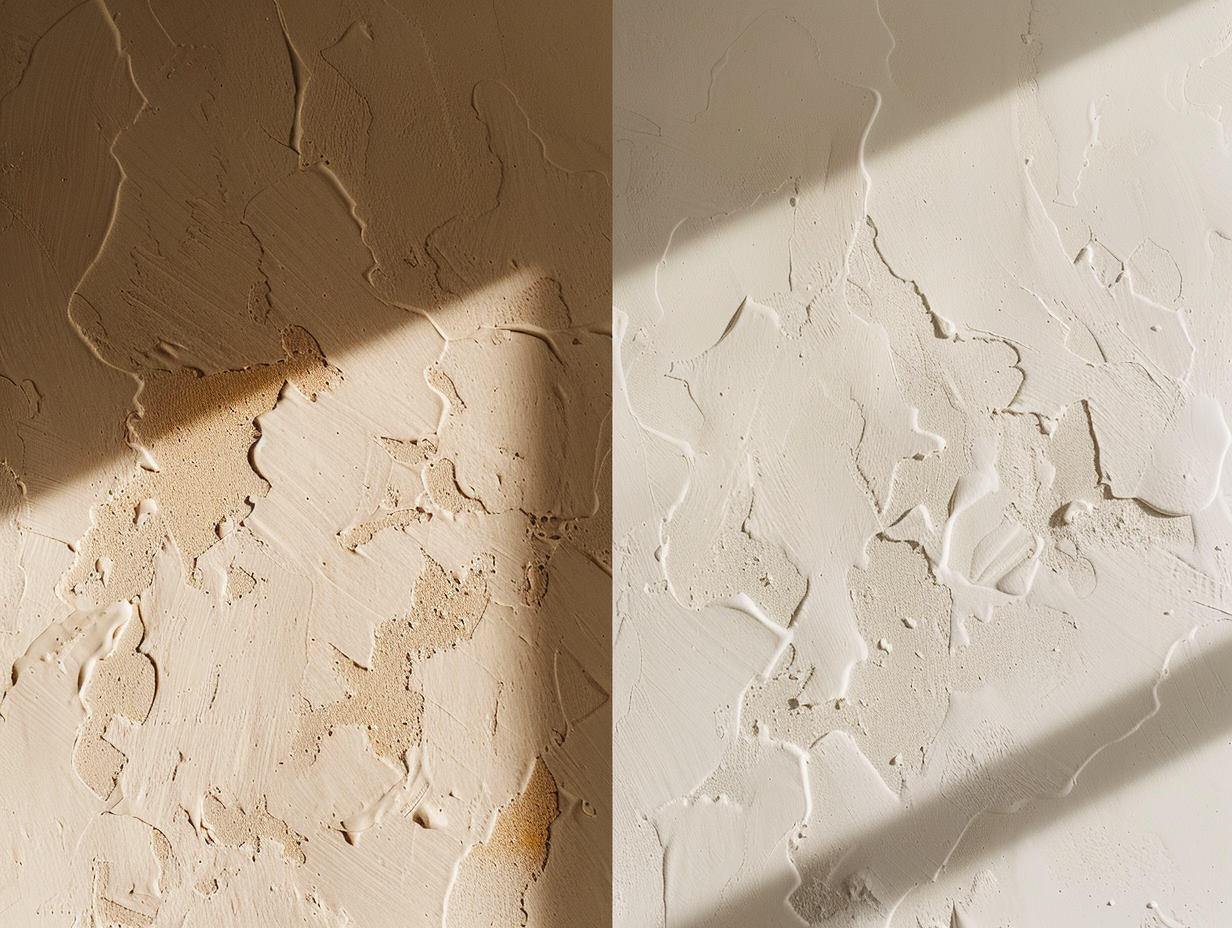
Plaster vs drywall: what specifiers should know before the wall goes in
A building-science read on the difference between a plastered wall and a painted-drywall wall, written for architects, designers, and builders deciding which one belongs in the drawing. Substrate, breathability, ageing behaviour, and where each is correct.
Topical Read
2026 · Q2 POST 02
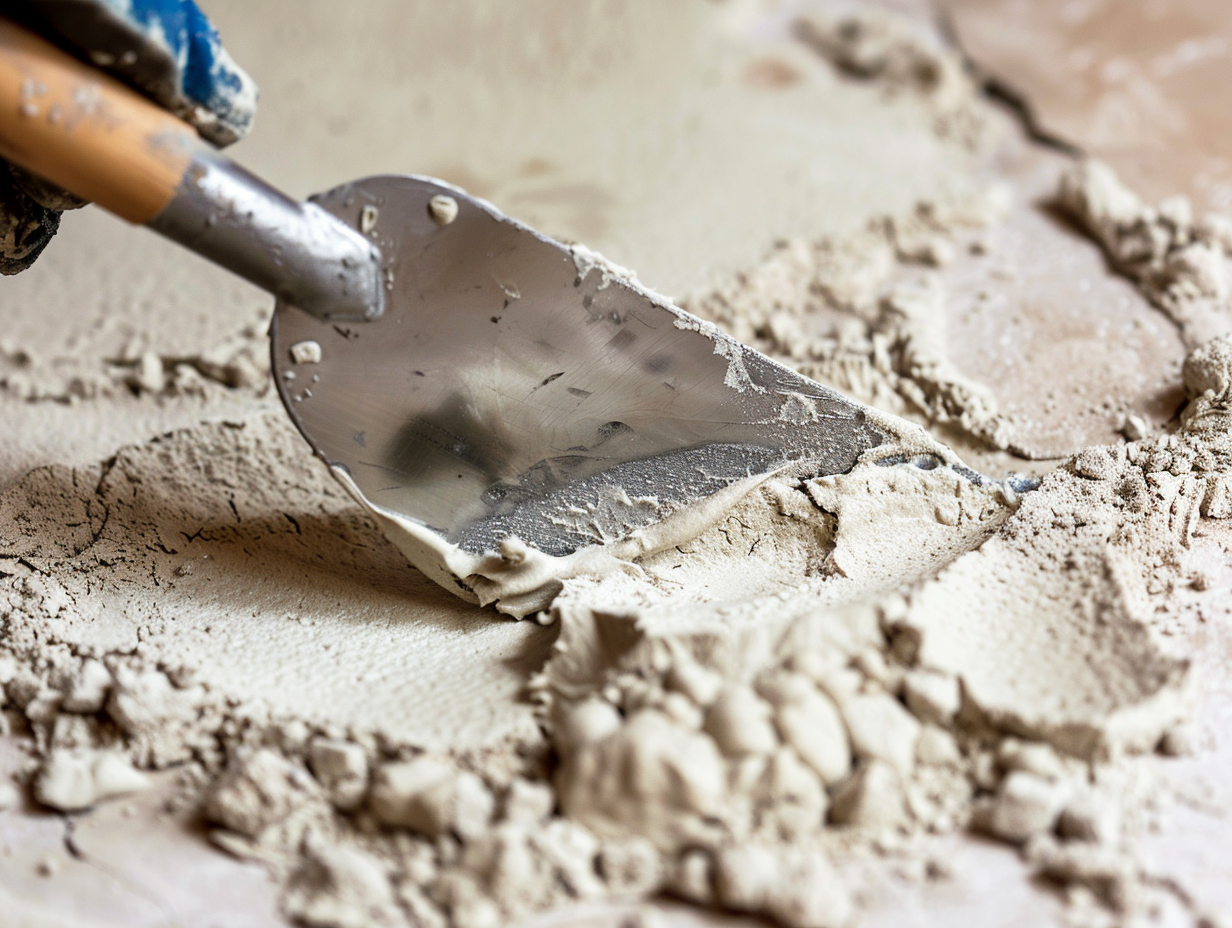
Marmorino vs Venetian plaster: where the line actually is
The honest distinction between two lime-and-marble cousins that specifiers consistently conflate. Why polish alone cannot be the dividing line, and where the real line sits: grain, finish discipline, and the amount of polish applied to the top coat.
Topical Read
2026 · Q3 POST 03
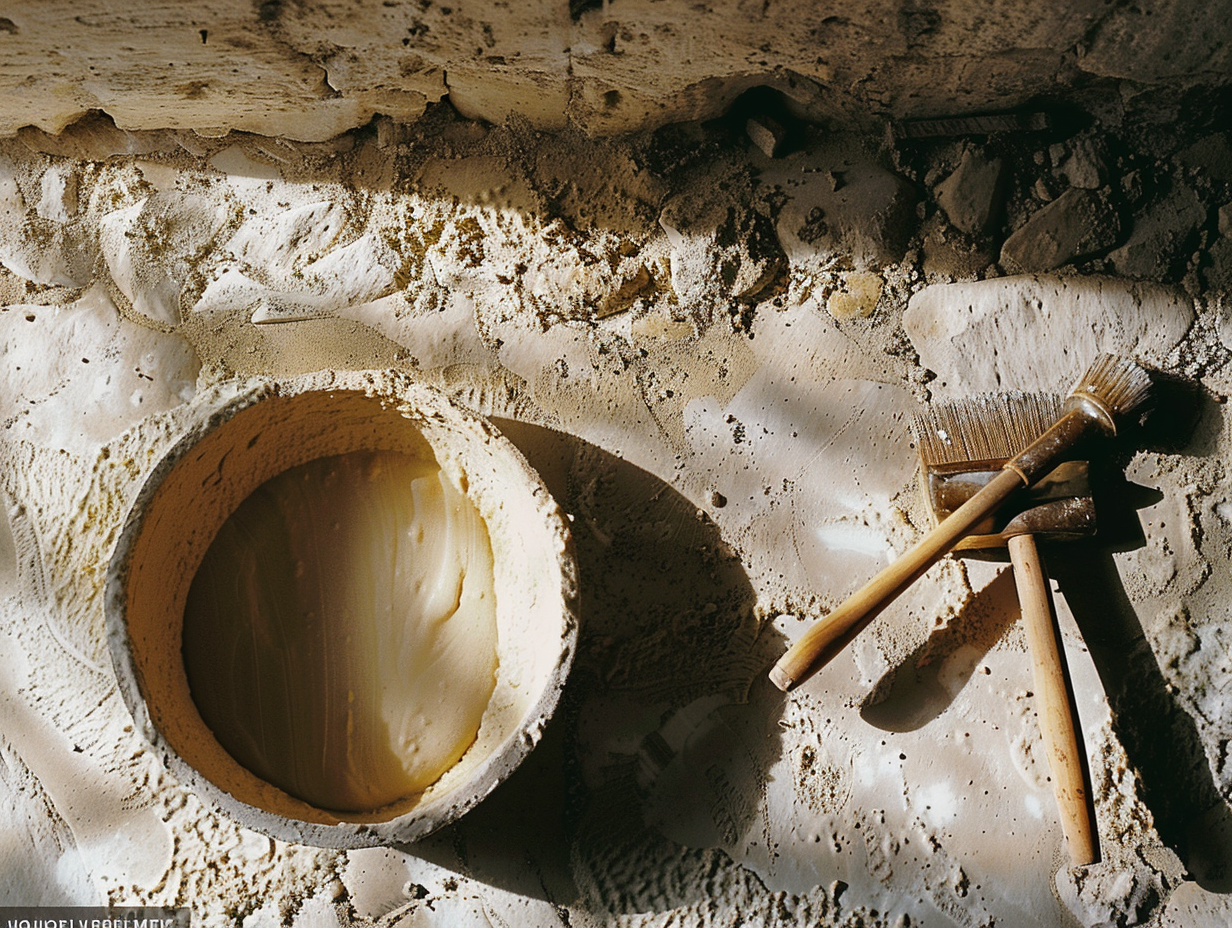
How to write a plaster spec for an architect's drawing
The six items a clean plaster spec names, what each one keeps from drifting between drawing and wall, and a sample-board sign-off template the architect can copy directly into a finish schedule.
Topical Read