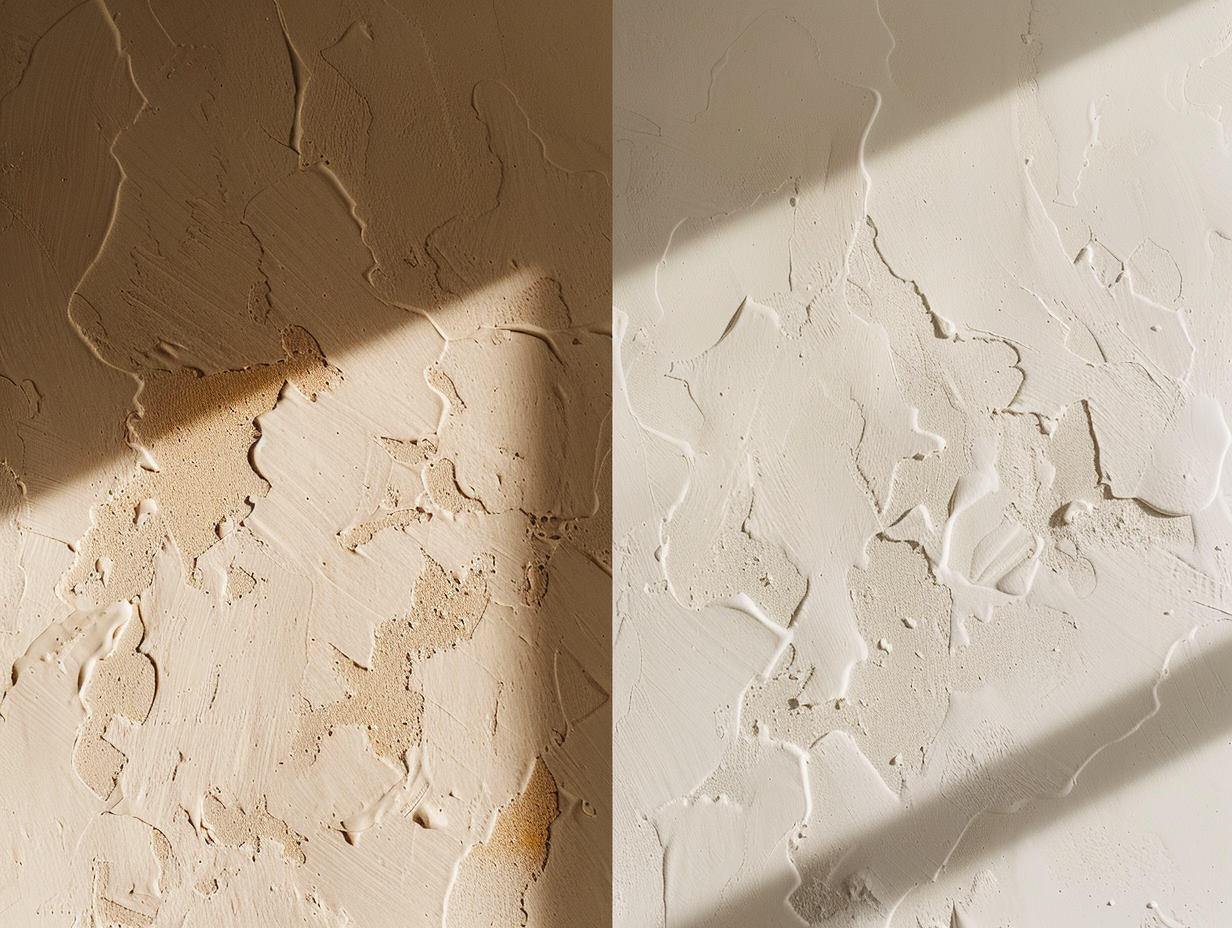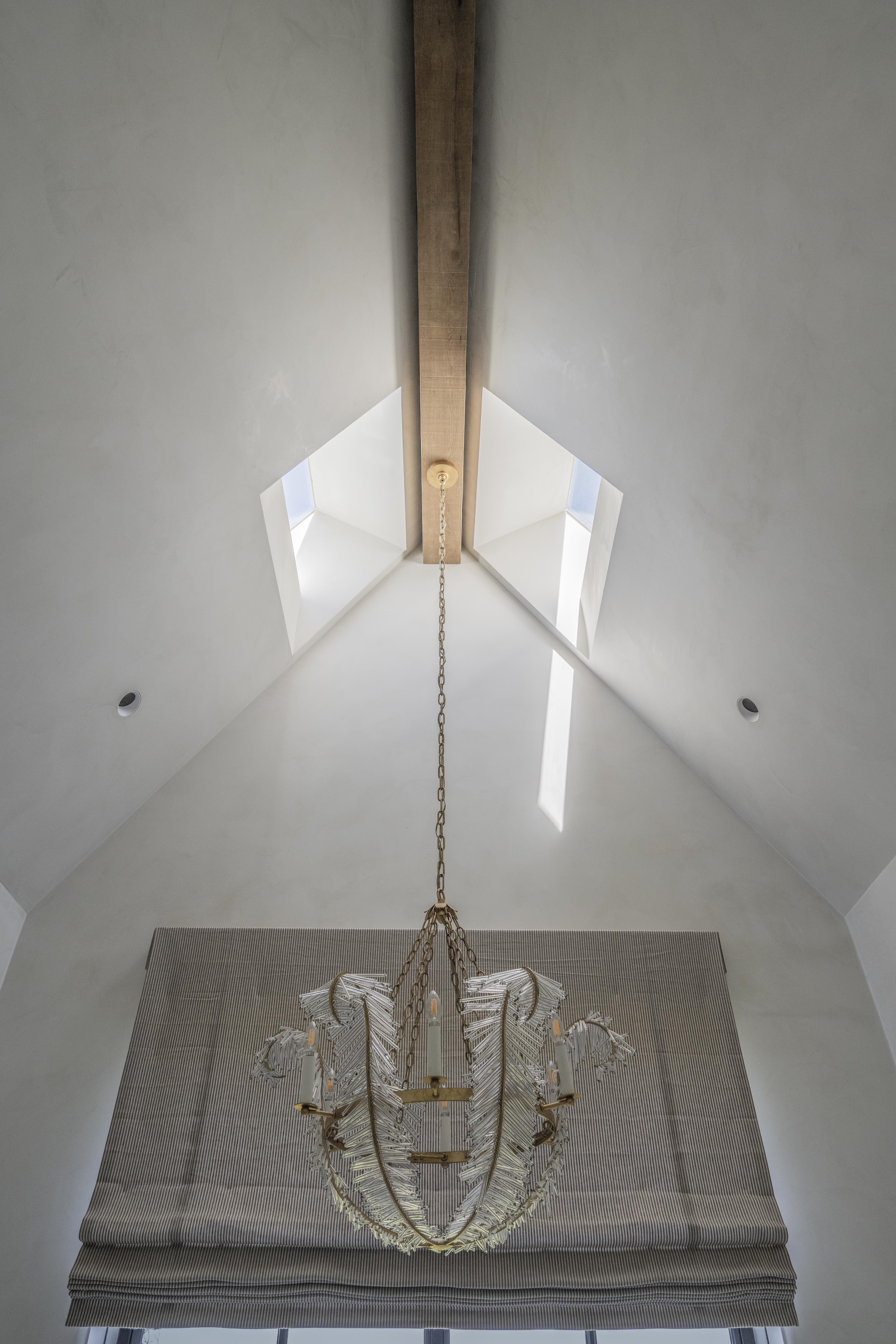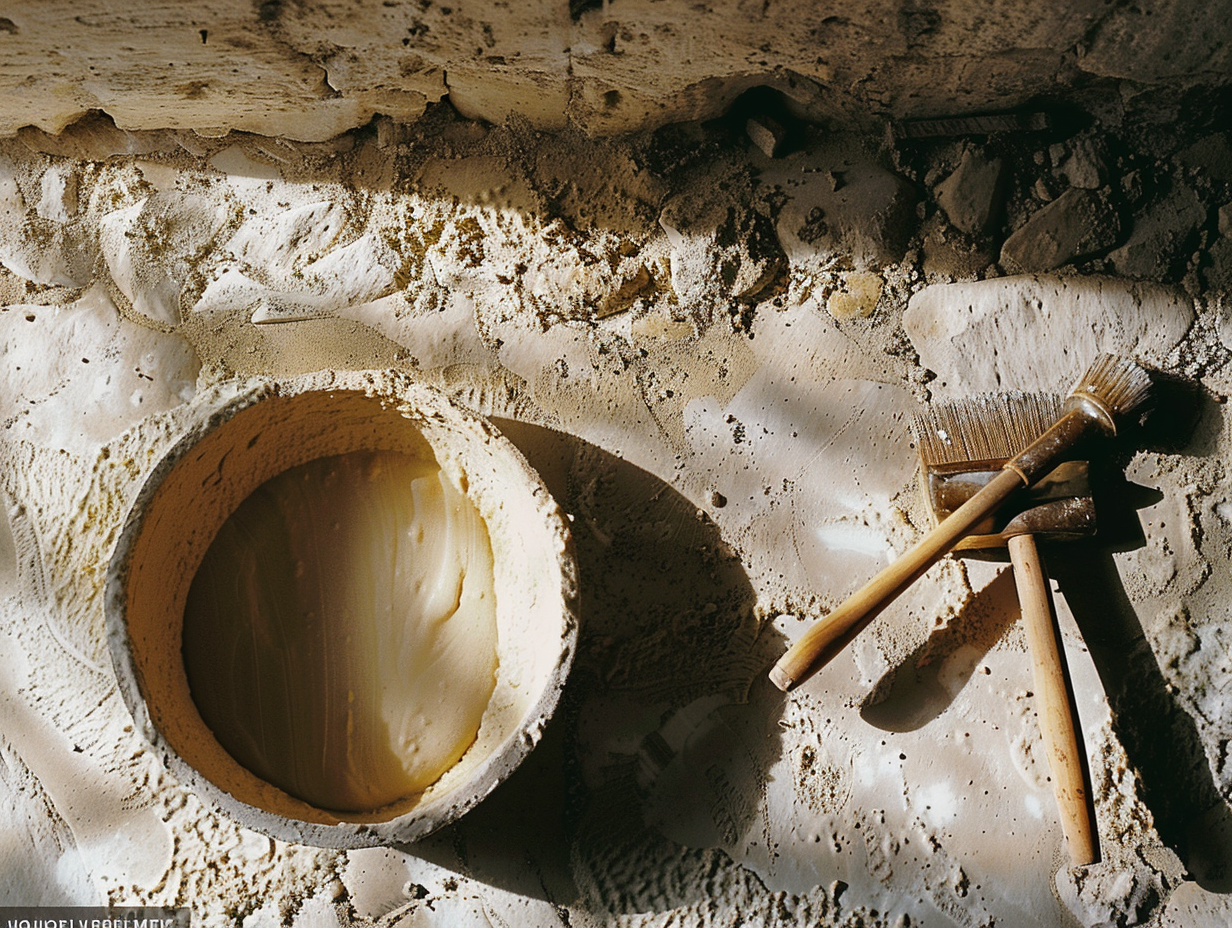

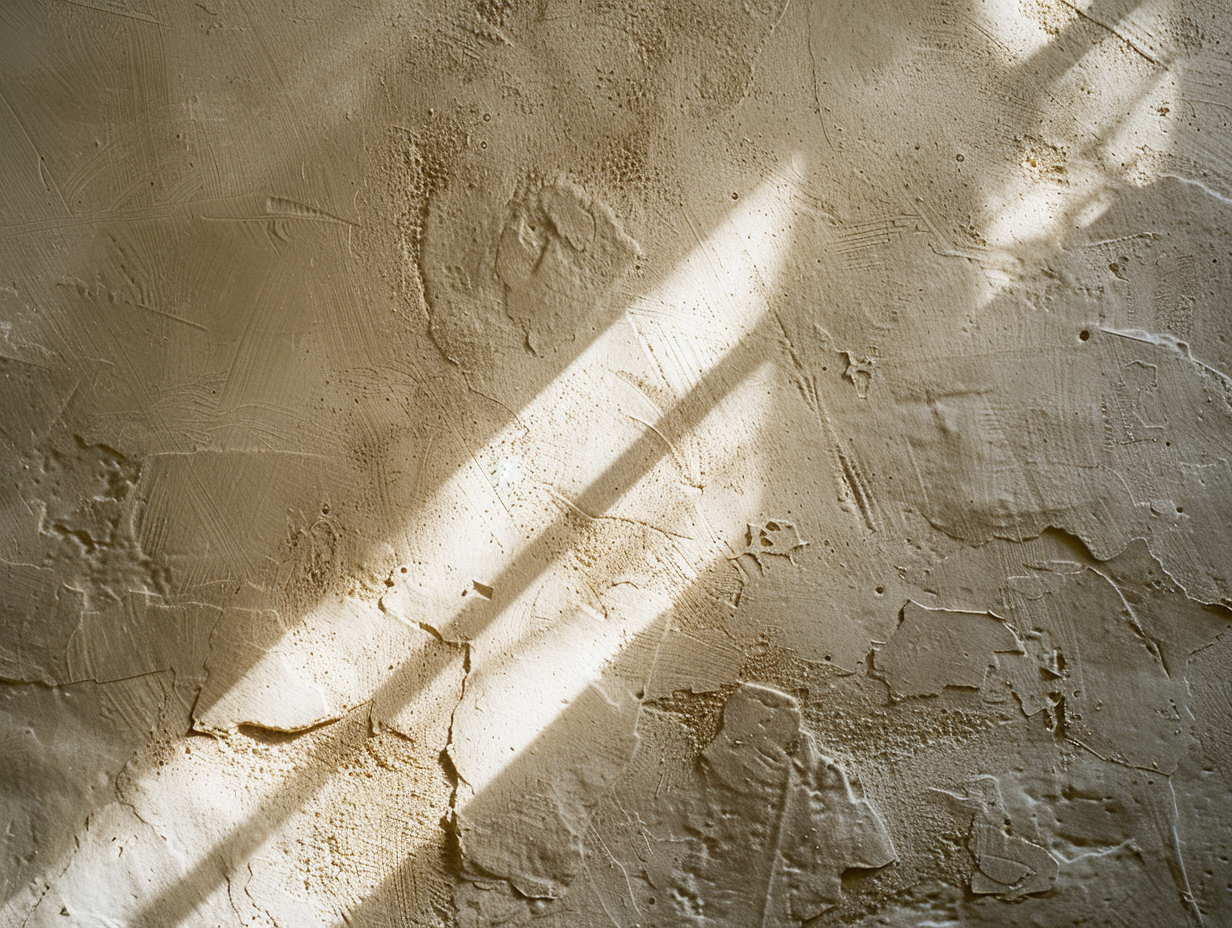
Plaster costs meaningfully more than paint at install. Over twenty years the math inverts. A plaster wall does not run a repaint cycle, does not flash at patched drywall seams in year two, and does not chip at the baseboard. The room you finish once stays finished.
The upfront comparison is the one every specifier sees first. A square foot of painted drywall against a square foot of hand-applied plaster. The plaster number is a multiple of the paint number, and on a line-item budget that delta looks decisive. It is also the wrong frame. Paint is a coating on a substrate. Plaster is the substrate. The two numbers describe different objects, and the only honest way to compare them is across the life of the wall.
Year one looks like paint wins
At handoff, paint reads cleaner on the invoice. The drywall is taped, mudded, primed, and rolled. The room is bright. Touch-ups are easy because the material is cheap and the painter can return for an afternoon. If the budget conversation ends at year one, paint is the rational choice and the deck is stacked against any other answer.
The install delta is real. We will not pretend otherwise. A plaster wall asks for skilled hands, multiple visits, and a material that is paid for by weight rather than by the gallon. The price reflects the labor and the experience standing behind the trowel, and there is no responsible way to compress it.
What the year-one comparison hides is what each material asks of the room next.
Year five is where the curves cross
Painted drywall enters a maintenance cycle the moment the rollers leave. Scuffs at the chair line. A chip where the baseboard meets the door casing. A nail pop in the corner of the guest room. The repaint conversation usually starts somewhere between year three and year seven, depending on traffic and how the house is lived in. When it comes, it is not just paint. It is patch, sand, prime, cut, and roll, room by room, with furniture covered and the household displaced for a stretch.
A patched drywall seam is also a flashing risk. The new mud reads differently than the old wall under sheen, and the patch telegraphs through the next coat unless the whole wall is repainted to grade out the difference. So the repaint is rarely a single wall. It is usually the room.
A lime plaster wall in year five looks like a lime plaster wall in year one. It has acquired the patina that lime is supposed to acquire, which most owners describe as “settling in.” There is no flashing, because there is no seam. There is no chip line at the baseboard, because the material is integral, not a film stretched over a board. A scuff is wiped with a damp cloth. A scrape exposes more of the same material underneath, not the paper face of a sheet.
Year ten asks the harder question
By year ten the paint cycle has run at least once and is usually about to run again. The drywall underneath has been patched, sanded, and repainted enough times that the wall is no longer flat in the way it was at install. The room has accumulated a layer of accumulated maintenance, which the eye reads as “well kept” if the work is good and “tired” if it is not.
The plaster wall has done none of that. The cost of ownership across that decade is the cost of the install plus, in most rooms, nothing. The owner has not displaced the house for a repaint, has not paid a premium for color matching, has not lived through the smell of fresh paint twice. A lime wall that has been wiped down is a wall that has been maintained.
This is also the point where the install delta resolves on the spreadsheet. Two repaint cycles, plus the patching that travels with them, plus the soft costs of having a crew in the house, generally close most of the gap. A third cycle closes the rest. The exact crossover depends on the room, the traffic, and the quality of the original paint job. The direction is consistent.
Year twenty is the honest comparison
Twenty years is roughly the window a serious residence is designed for. It is the timeline an architect should be running when a finish is specified, and the timeline a homeowner is implicitly choosing when they sign a drawing.
Across that window, painted drywall typically runs three to four full repaint cycles in the high-traffic rooms. Each one is its own project. Furniture moves, art comes down, the household reorganizes around the work. The wall at year twenty is not the wall that was installed. It is the wall that has been redone four times on top of itself.
A lime plaster wall at year twenty is the wall that was installed. The light reads it the same way. The trowel is still legible. The room has not been redone, because there was nothing to redo. This is what we mean when we say plaster is the material the room is made of, not a coating applied to it.
Where paint is the right answer
We are not making the argument that paint is wrong. Paint is the right answer for a rental property where every turnover gets a fresh coat. It is the right answer for a child’s bedroom that will be re-themed in four years. It is the right answer for a builder spec house where the finish budget needs to land at a price point and the warranty conversation runs through the painter, not the studio. If the room is designed to be redecorated, paint is honest about that and is priced for it.
Plaster is the right answer for the room you intend to live with. The entry hall, the public rooms, the bath that the house is built around. The walls that are part of the architecture, not part of the furnishing cycle.
Practical takeaway
- Compare across the life of the room, not the line item. A finish is a twenty-year decision.
- Count the repaint cycles. Three to four in twenty years for a high-traffic room is a realistic baseline.
- Price the soft costs of repainting, not just the materials. Displacement, dust, scheduling.
- Specify plaster where the room is permanent. Specify paint where the room is meant to change.
- Ask for a sample board before either decision. The finish you live with is the finish you can see in your own light.
Plaster by Orciani has been finishing rooms across the continental United States since 1981, working from studios in Asheville, North Carolina and Central Florida. If you are weighing the finish on a permanent room and want the long-arc conversation, start with a conversation.