
A plaster wall cannot be specified from a swatch. Plaster is mineral. The surface holds light from inside, and the same finish reads differently under different lighting, at different scales, in different rooms. Every commission needs sample boards reviewed in the actual room before the wall is touched.
Setup
The question shows up in almost every project we get called into. A designer has a one-inch square of plaster taped to a presentation board, or a digital swatch in a deck, or a phone photo of a wall from another project they liked. They want to know if that color, that sheen, that texture will land the same way on the wall they are about to commission. The honest answer is that the swatch is not telling them what they think it is telling them.
The problem is not that swatches are useless. They are a starting point, the same way a paint chip is a starting point. The problem is that a plaster wall is not a paint wall, and the rules that govern how a paint chip predicts a painted wall do not transfer. Plaster behaves differently under light, and the swatch hides that difference until the wall is built.
The honest answer
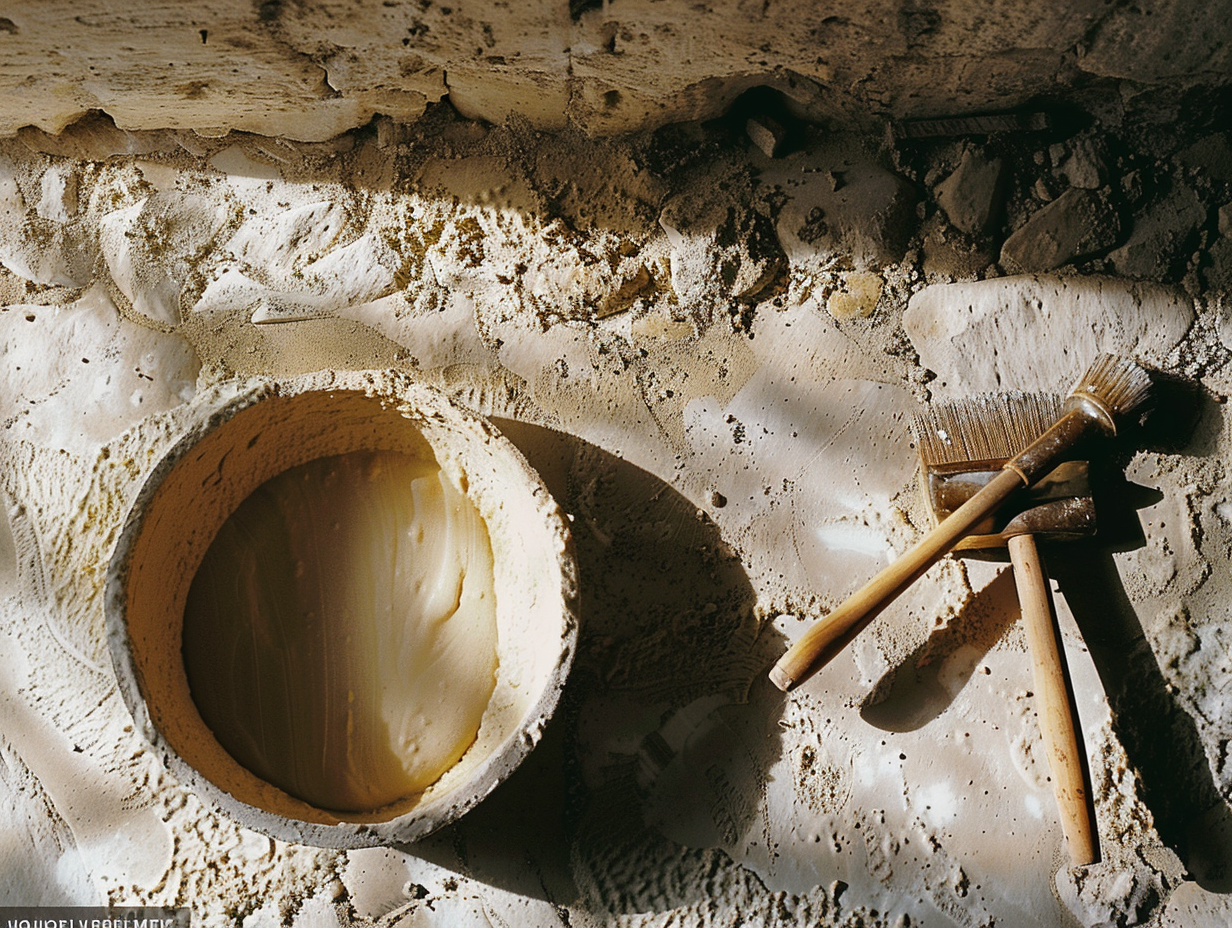
A painted surface is a film over a substrate. The film has a color and a sheen, both manufactured to a spec, and the reason paint chips work is that the film at chip scale is the same film at wall scale. Plaster does not work that way. Plaster is a mineral body, hand-troweled in coats, cured into a surface that has depth. The visible color sits inside the wall, not on top of it. The sheen is not manufactured. It is burnished into the surface by hand, by trowel pressure and pass count, and it varies subtly across the plane.
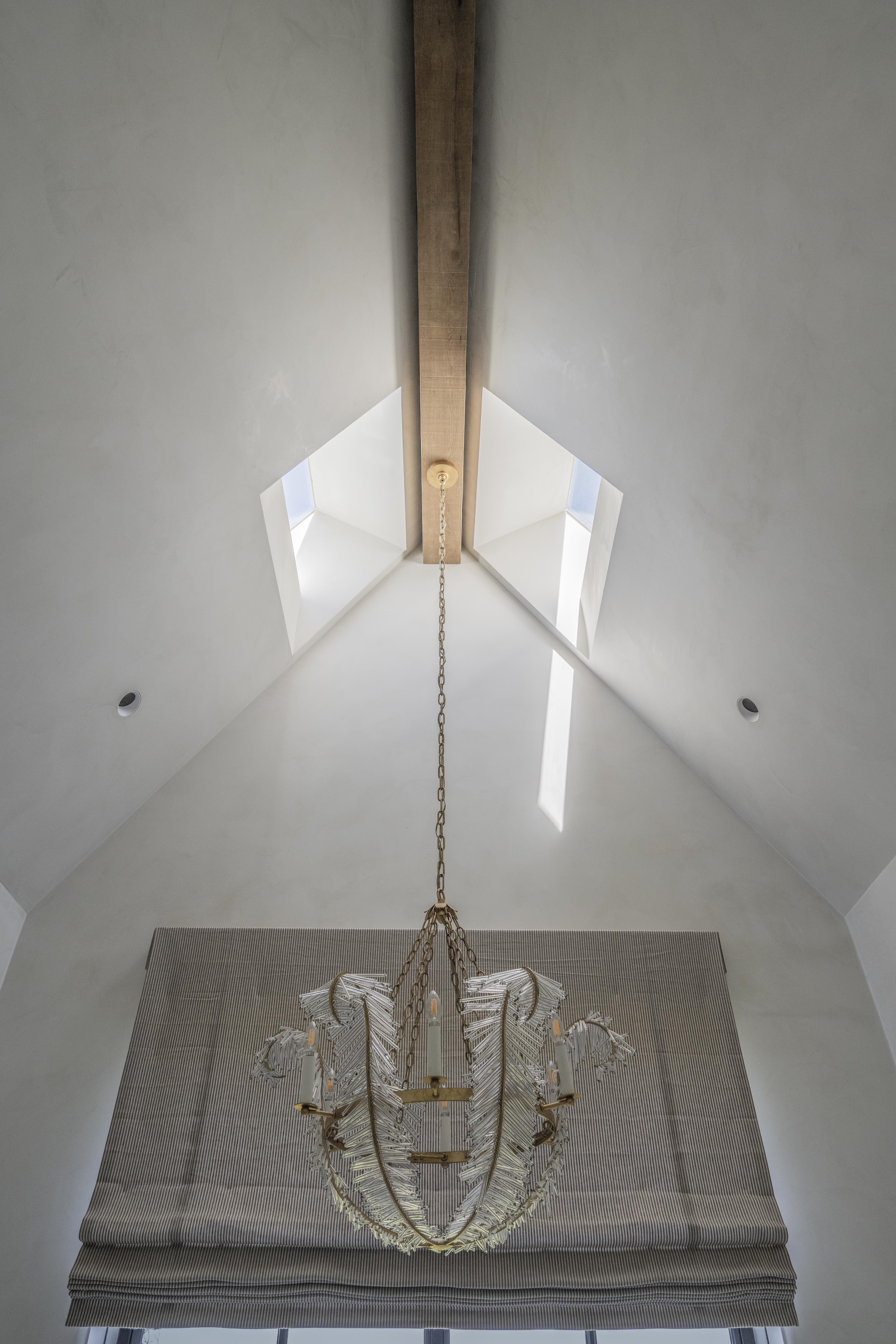
What a swatch cannot show is how that mineral depth behaves under raking light. Drop afternoon sun at a shallow angle across a Venetian suede wall and the surface reads as cloud. The trowel work that was invisible at chip scale becomes the whole reading at room scale. The same wall, lit from straight on by a recessed downlight, reads as quiet plane. A swatch in a designer’s studio under flat overhead lighting is showing you neither of those readings. It is showing you a third one that does not exist in the room you are building.
Scale is the second thing the swatch hides. A two-inch sample reads as a single, even color. A twelve-by-eighteen-inch sample reads as a small surface with subtle movement across it. A wall reads as a continuous field where the movement organizes into rhythm. Pigment behaves differently at each of those scales because the lime body is doing more of the optical work the larger the surface gets. A color that looks correct on a chip can land too warm on a board and too cool on a wall, or the other way around, because the room is doing what the studio could not show.
Lighting condition is the third. The same finish in a north-facing room in Asheville and a south-facing room in Central Florida is not the same wall. The light source is different. The angle through the day is different. The color temperature is different. The plaster surface is the same composition with the same pass count, but the wall behaves differently because the room is not the same room. This is why a sample board signed off in a designer’s office can land wrong in the actual residence. The board was correct for the office. The wall lives somewhere else.
The discipline that follows from this is straightforward. Every plaster commission gets sample boards, sized at twelve by eighteen inches at a floor, in the actual room, under the actual lighting conditions the wall will live with. We review them with the architect or interior designer at the time of day the room will be used. For a residential dining room, that is the late afternoon. For a hospitality lobby, that is whatever the design lighting will be once the fixtures are in. The board is approved in the room, in raking light, before any production wall is touched. That sign-off is the wall.
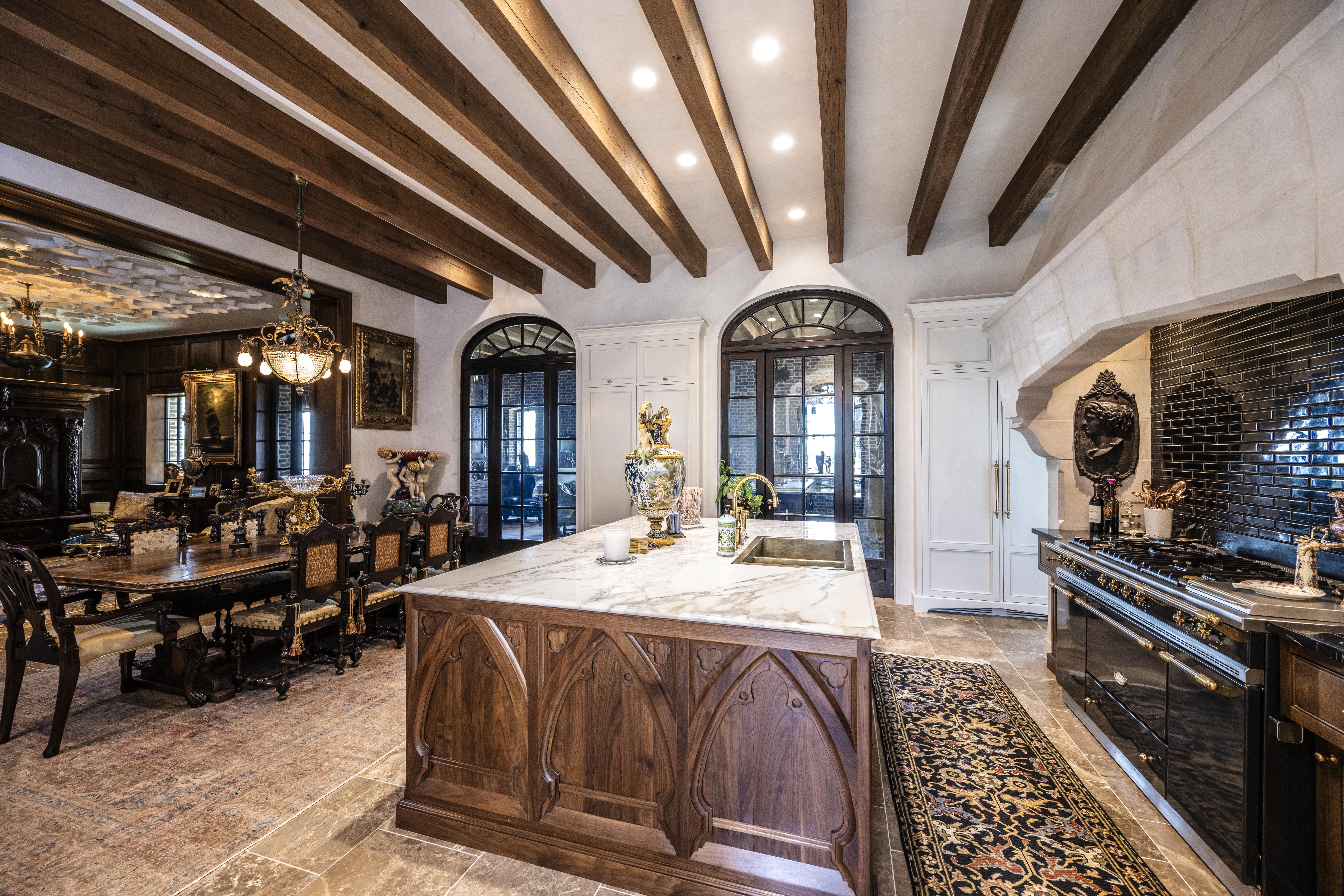
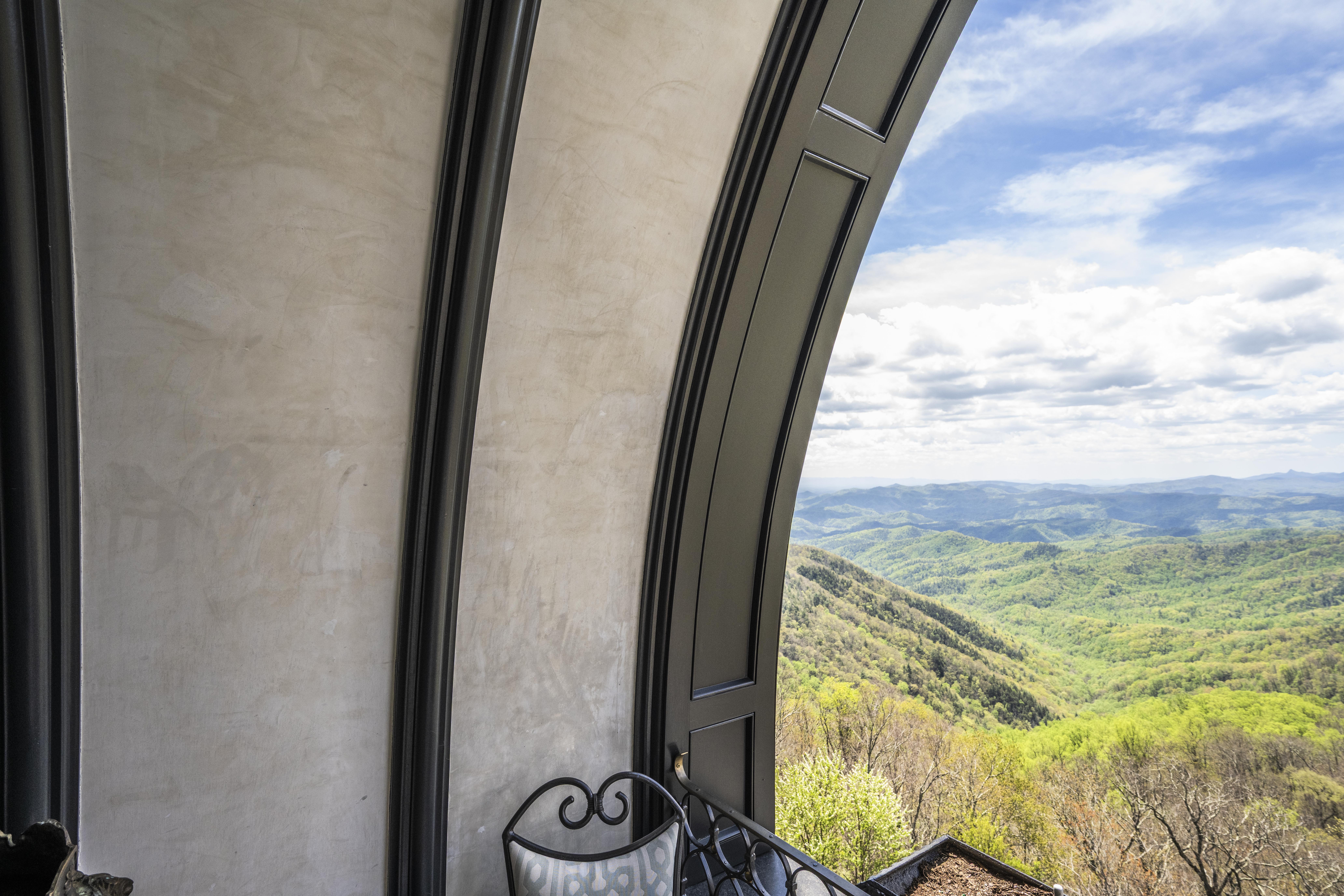
This is also why we photograph every finish after install, and why Danny Gale is shooting under the room’s natural conditions rather than studio-style strobed light. The photographic record is a documentation deliverable, not a marketing one. At Ravencliff Residence in western North Carolina, the signature kitchen frame is the wall in raking afternoon light, the suede finish reading as polished stone at close range and as quiet plane at distance. Both readings live in the same wall. The photograph captures the relationship between them. That image, and the others in the set, are how we document what the wall actually does. They go into the project record. The next time we are asked what a PBO Venetian suede wall reads like in afternoon light, we point to the image. The wall is the spec sheet.
Practical takeaway
For a specifier evaluating a plaster sample before sign-off:
-
Reject any review condition that is not the actual room. A board approved in a studio is approved for a studio. Move the boards to the room they are specifying. If the room is not ready, hold the review until it is.
-
Review under the room’s actual light. That means at the time of day the room will be used, with the design lighting on if fixtures are in, with the window treatments as they will live. Plaster only tells the truth under raking light in the space it occupies.
-
Hold the board at the wall, not at arm’s length. A sample is not evaluated like a paint chip. Set it against the wall plane, step back to the distance the wall will be read from, then walk in close. Both readings have to land.
-
Ask for at least three boards across the pigment range. Plaster color is mineral and slightly variable. One board is a guess. Three boards is a decision.
-
Sign the board before production starts. Approval at the board is approval of the wall. After the wall is up is too late for the conversation that should have happened at the sample.
Closing
A plaster wall is not a finish over a substrate. It is a surface with depth, mineral body, and a behavior under light that no swatch can predict. The discipline of reviewing samples in the room they will live in is not a courtesy. It is how the wall gets right. If you are about to specify a plaster scope and want a read on the sample process, start with a conversation. Contact the studio.