

A journal for the wall that is a material.
Project-anchored finish articles and topical reads for the people who specify and build with plaster. Founded 1981 in Asheville, North Carolina. Working across the continental United States.
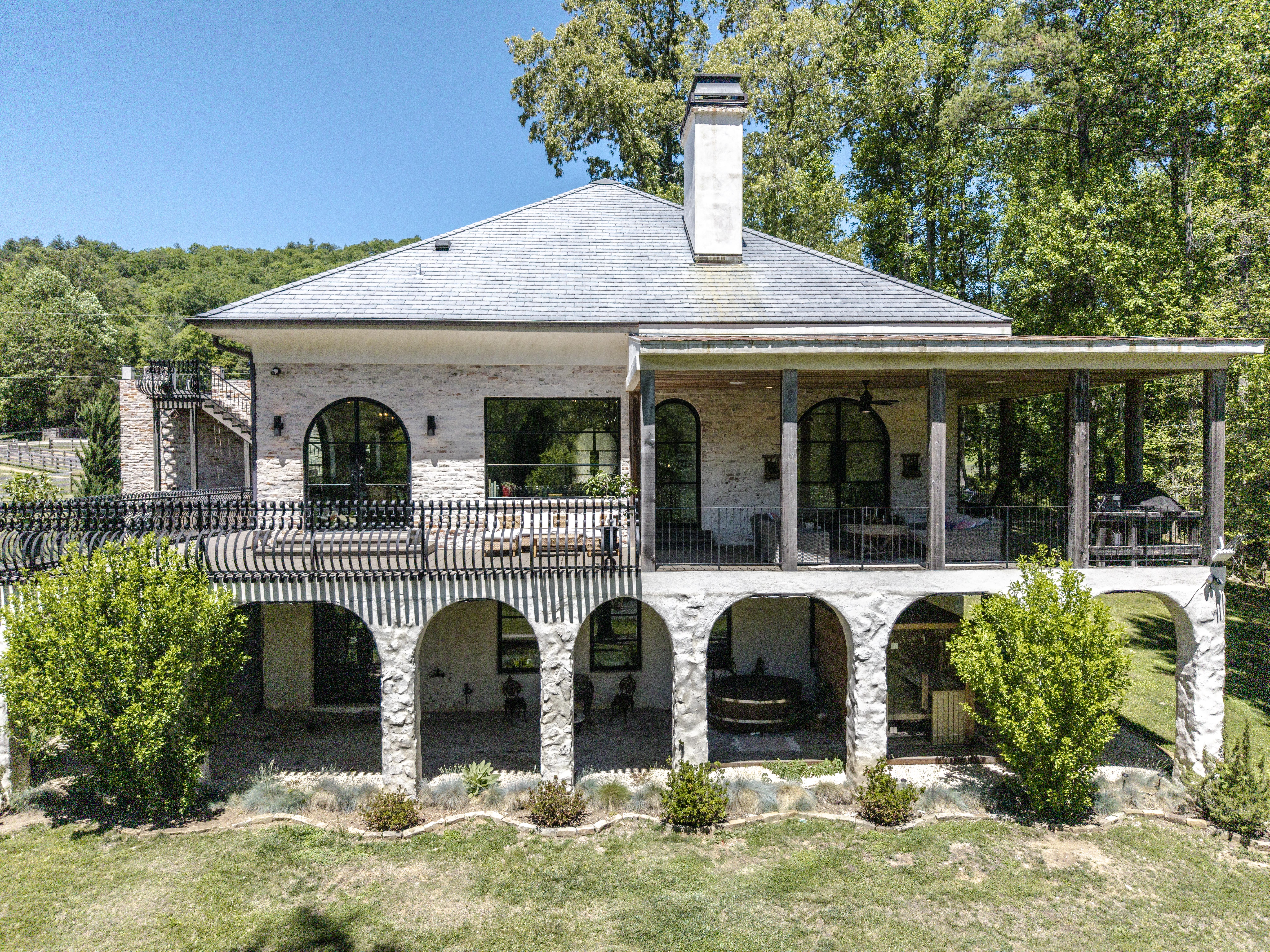
Custom stucco on a coastal southern exterior: pigmented lime-sand, troweled and breathable
Custom stucco is a pigmented lime-sand mix troweled onto a prepared masonry substrate. Specify it when you want a breathable, mineral exterior that ages with the building rather than peeling off it.
Read .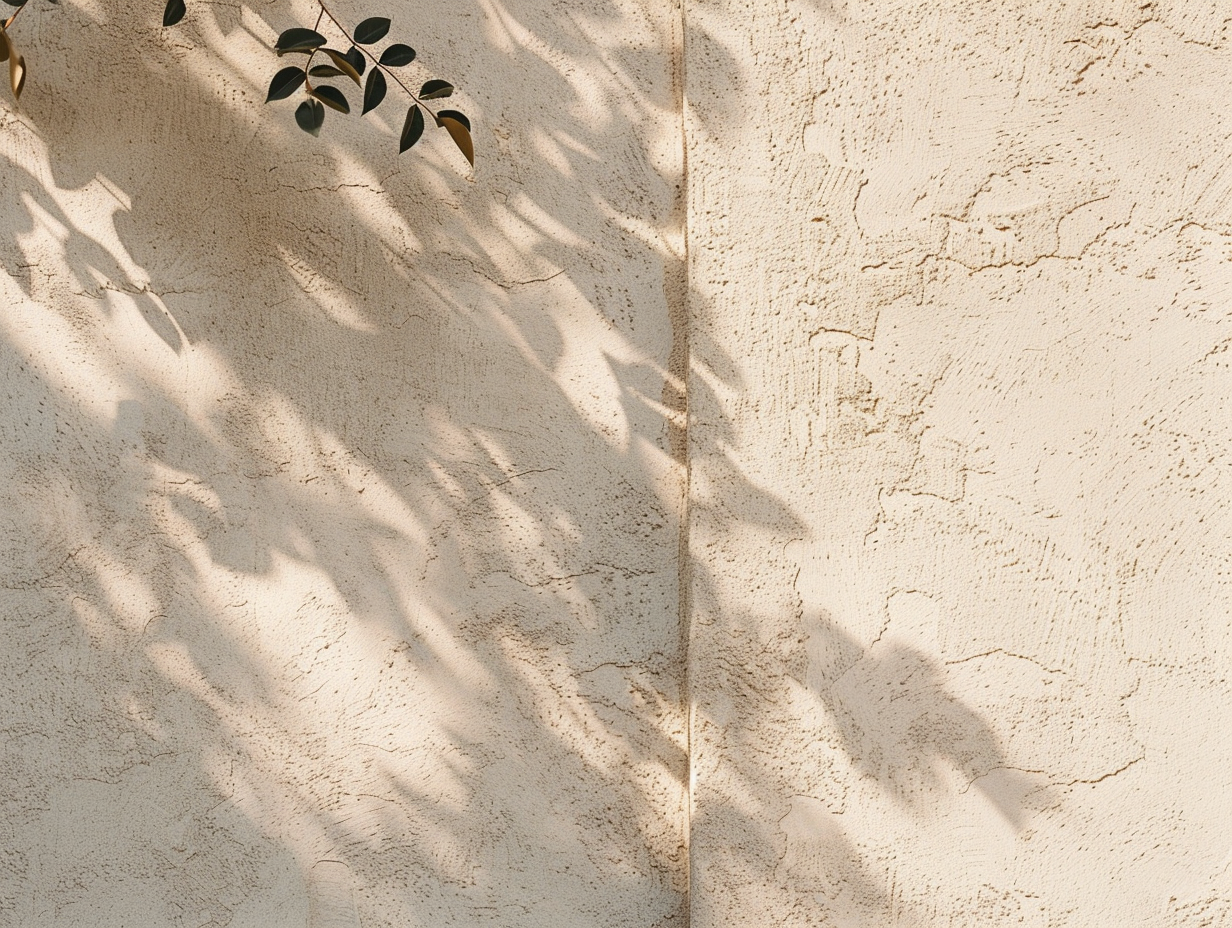
EIFS on a coastal Carolina hospitality envelope: when the synthetic system is the right specification
EIFS is a multi-layer synthetic envelope built from rigid insulation, a mesh-reinforced base coat, and an acrylic finish coat. Specify it when the project needs continuous thermal performance and the envelope is the architecture.
Read .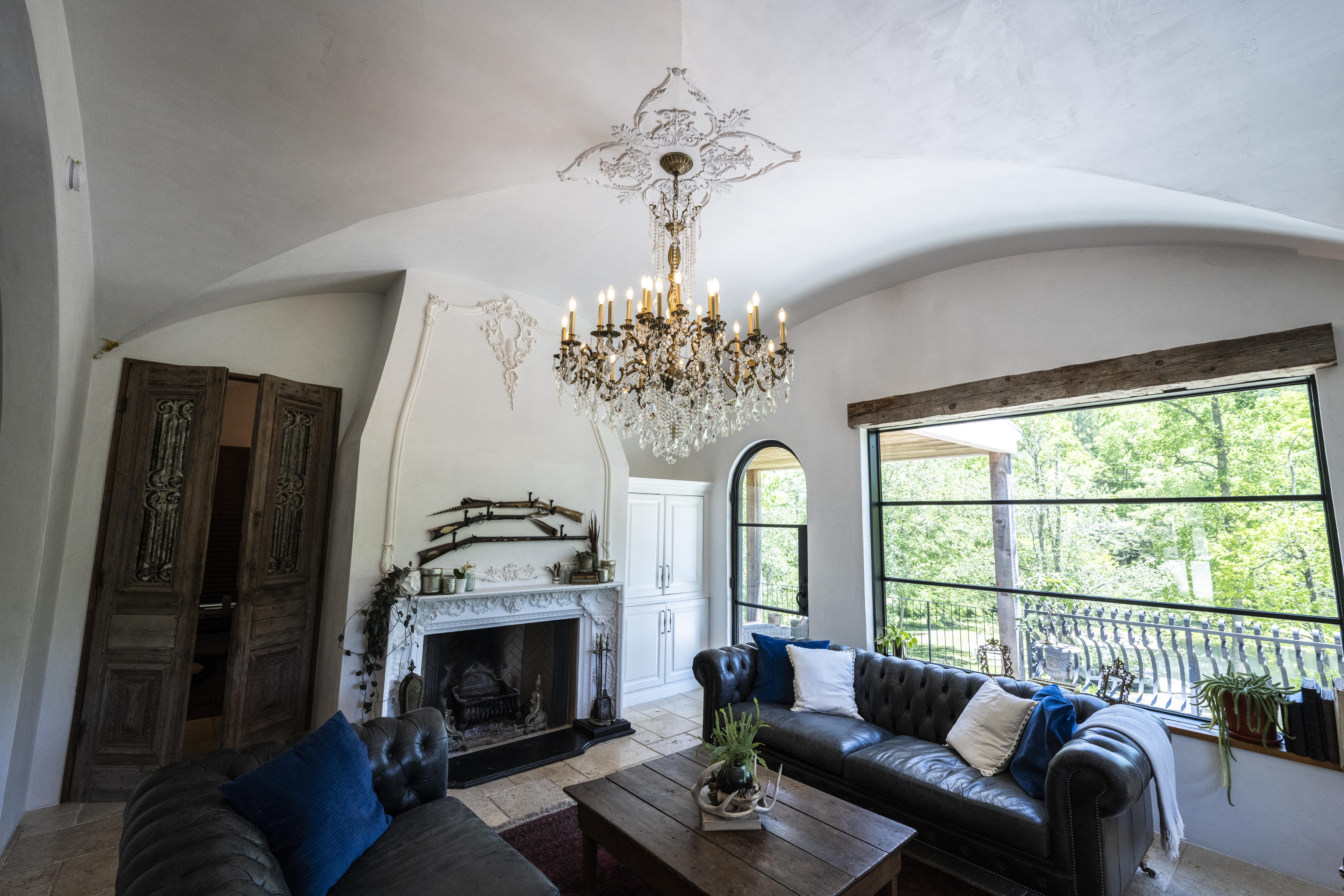
German Schmear on a coastal southern residence: lime mortar across brick that still reads through
German Schmear is a thin parge coat of lime mortar troweled and brushed across brick or stone so the masonry still reads through the wash. Specify it when the building wants a softened, aged exterior without losing the substrate underneath. Partial coverage by design. Hand-finished, panel by panel.
Read .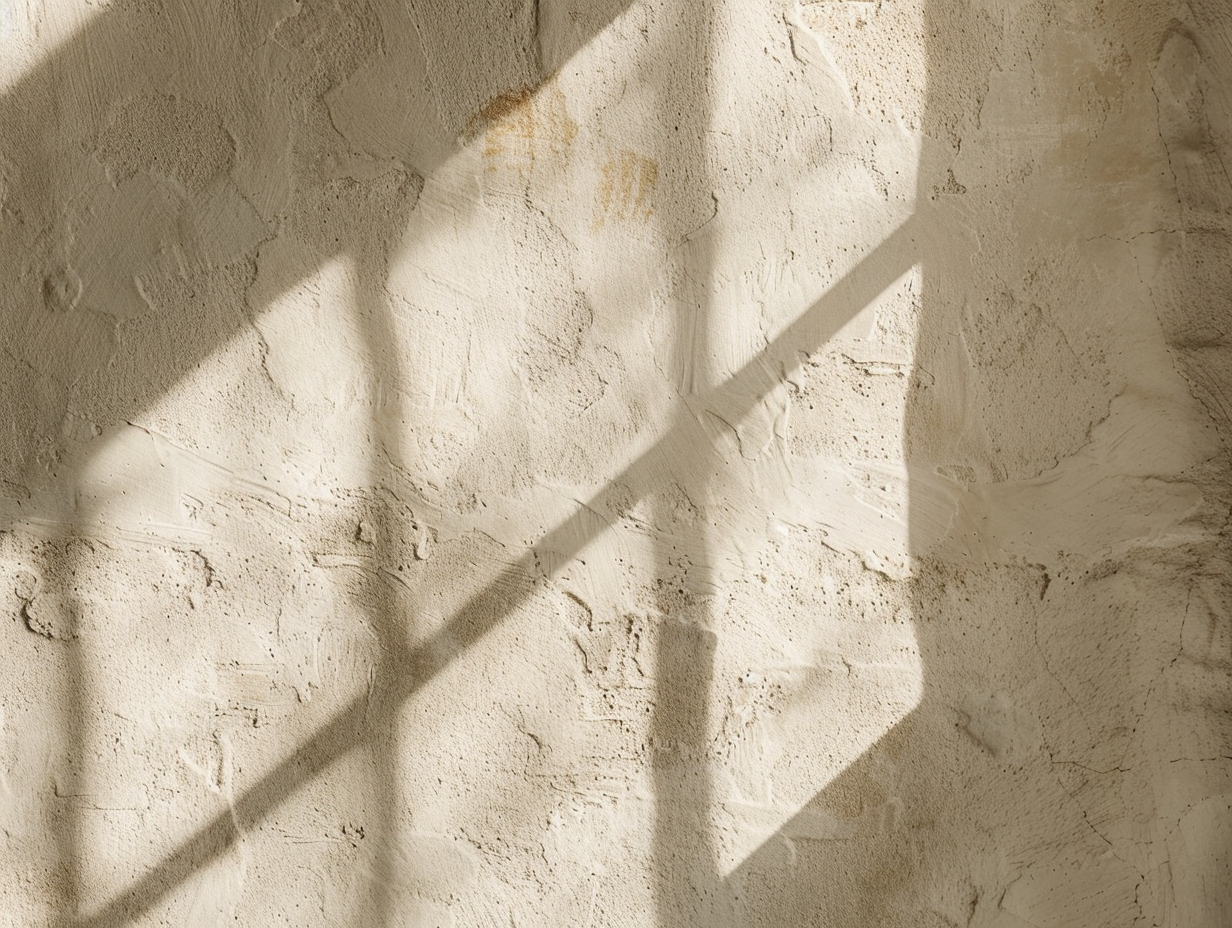
Lime paint in a coastal Carolina farmhouse: the mineral wash that paint cannot imitate
Lime paint is a breathable mineral wash of slaked lime and pigment, brushed in two to three thin coats over a porous substrate. Specify it when a room needs cloudy translucent depth, UV stability, and a matte that stays alive under raking light.
Read .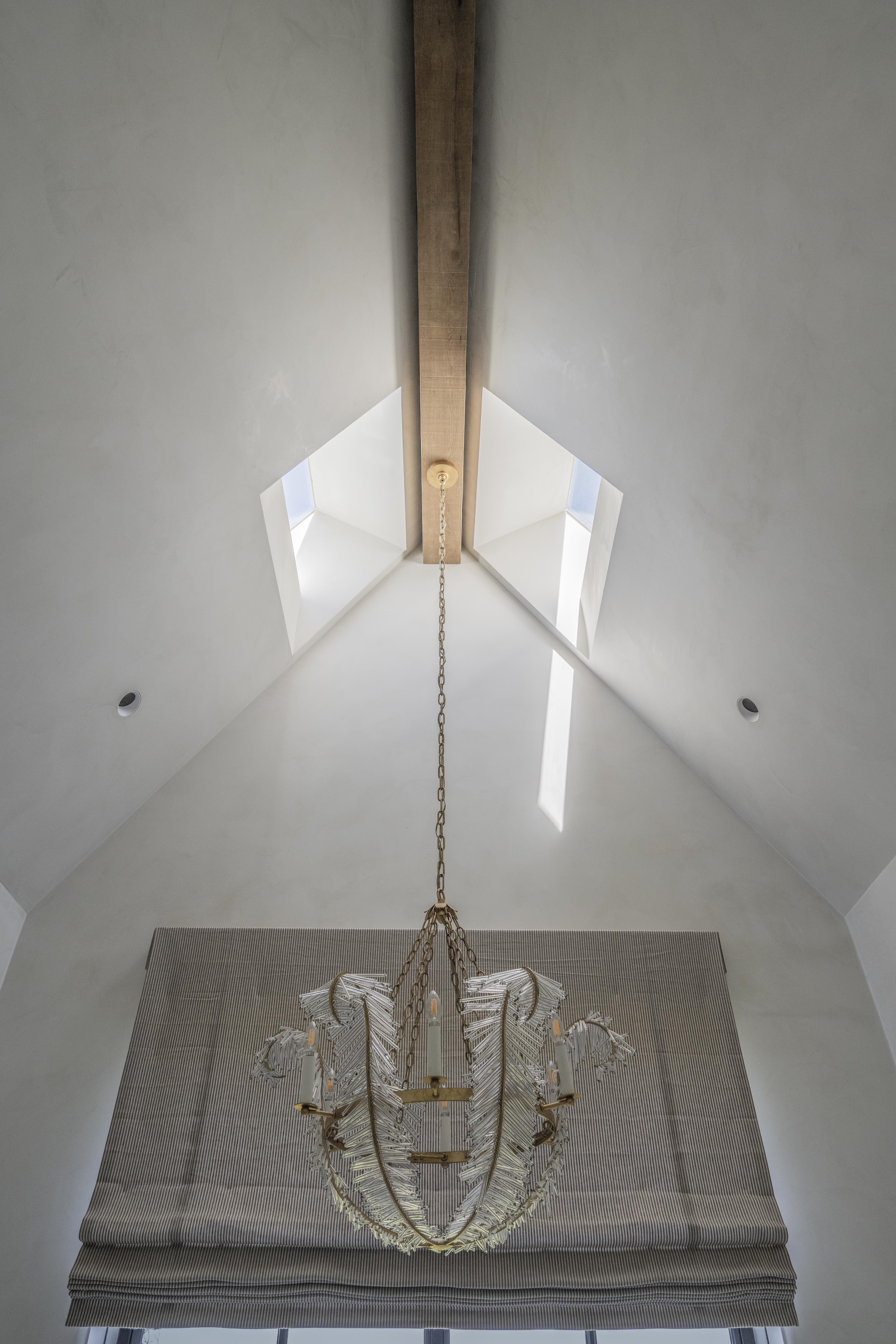
Limestone plaster on a Tudor revival entry: a single-coat finish in Asheville
Limestone plaster is Plaster by Orciani's coined name for a single-coat smooth plaster with integral mineral pigment, troweled in one pass over a prepared substrate. Specify it for residential interiors that want soft mineral color, a quiet matte read at three meters, and a wall that breathes with the building.
Read .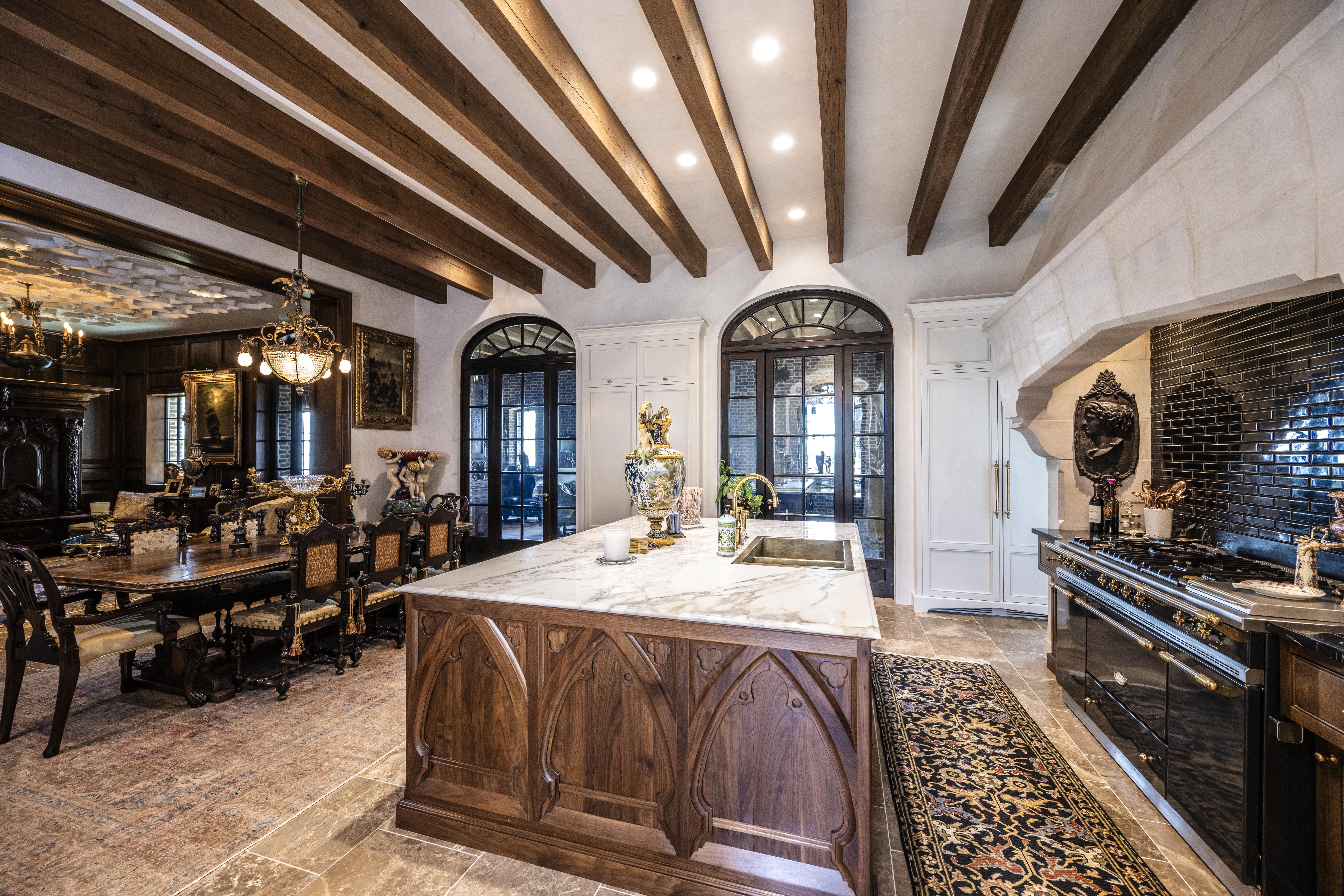
Marmorino on a hospitality lobby: the tight-grain mineral that holds at three meters
Marmorino is a lime and marble dust plaster with a tighter grain and matte sheen than Venetian. Specify it for hospitality and architectural interiors that need a warm mineral surface holding scale at three meters. Pigment is integral to the body coat, the trowel-only finish refuses high polish, and the wall holds light instead of throwing it back.
Read .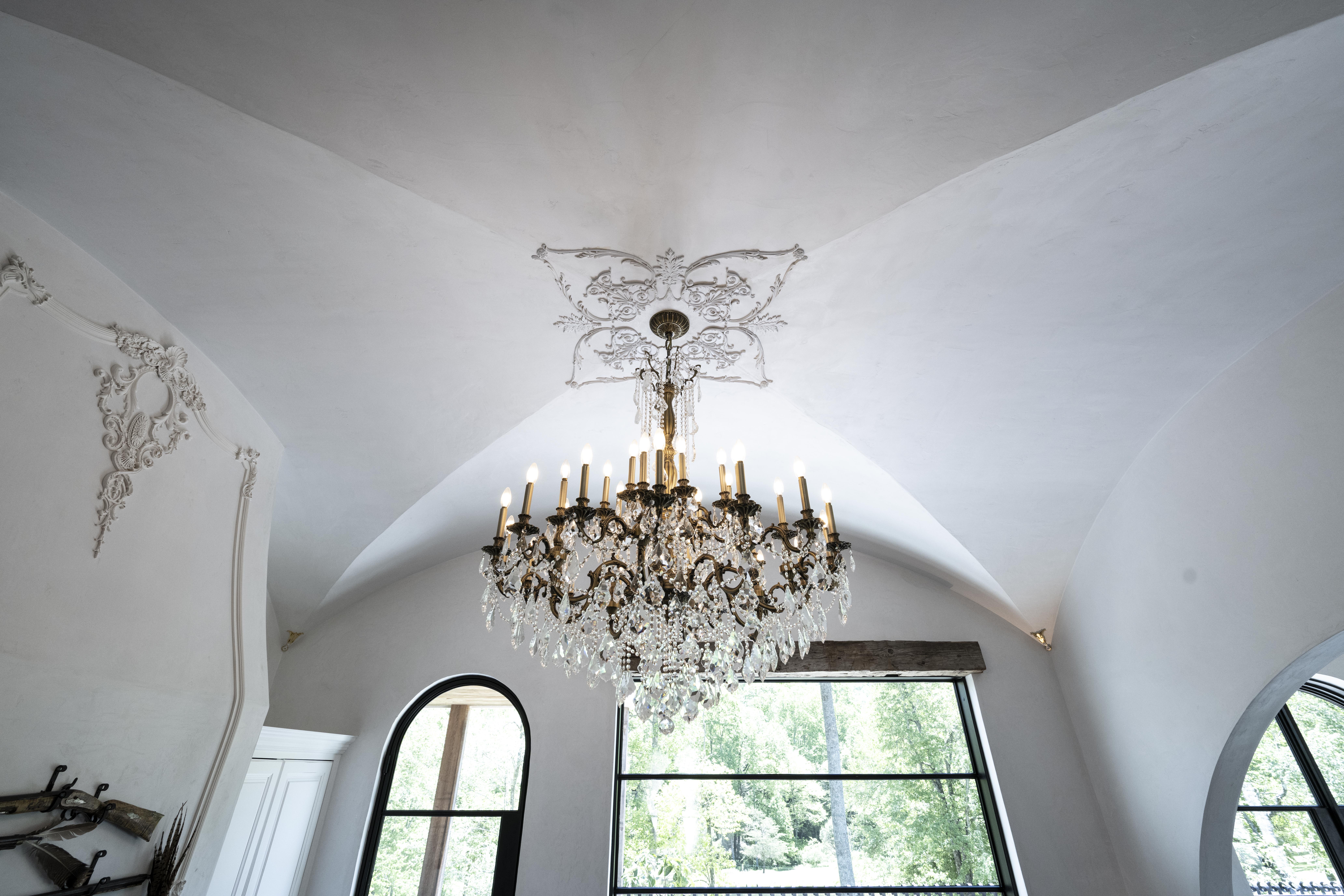
Plaster moldings on a Federal residence: a cornice, a ceiling rose, and the case for the real thing
Plaster moldings are ornamental and architectural profiles made from lime or gypsum plaster, either cast in a shop, run in place on a horsed template, or hand-modeled. Specify them when the room calls for ornament that reads as part of the wall.
Read .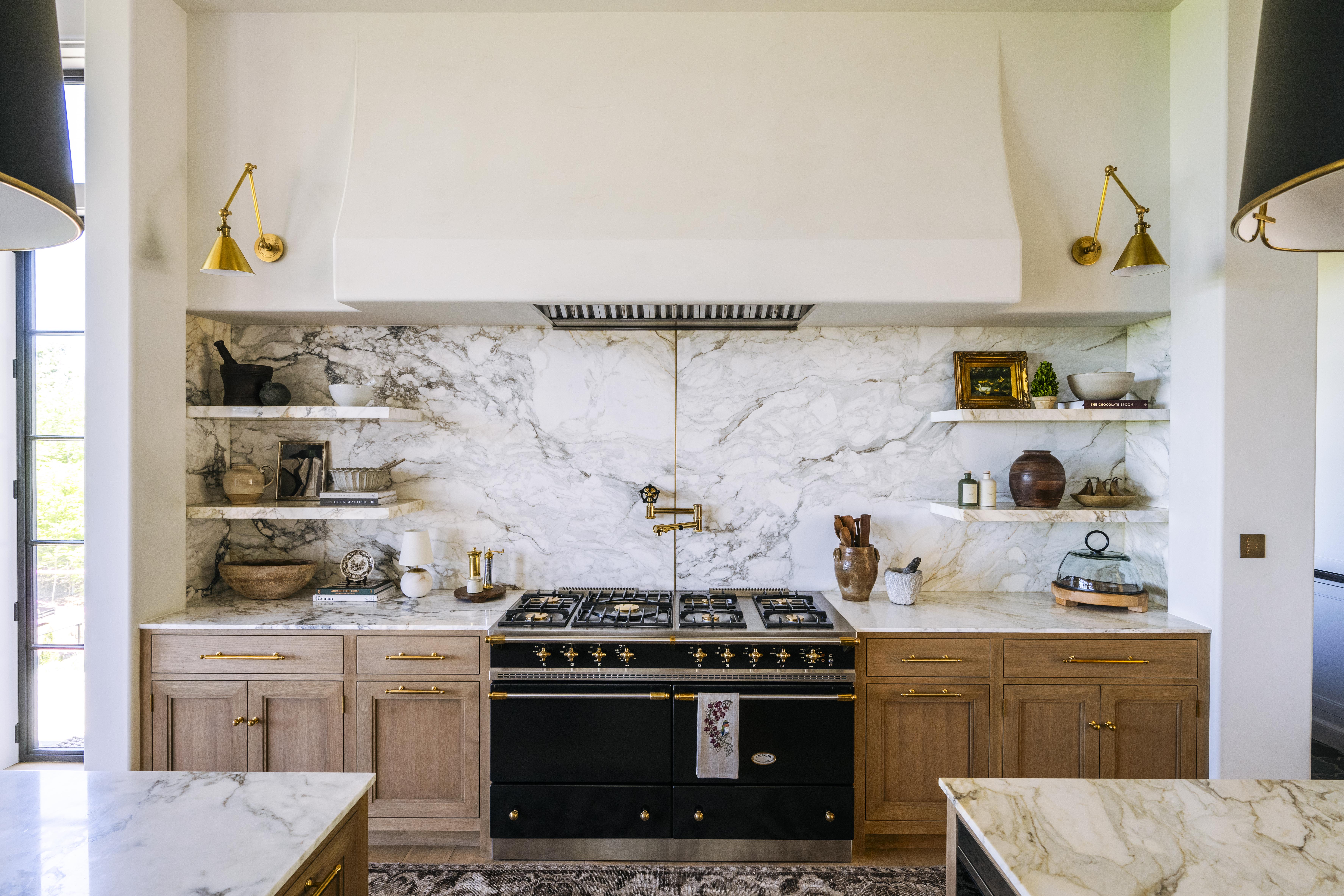
Tadelakt in a residential steam room: waterproofing without a vapor barrier
Tadelakt is a Moroccan lime plaster polished with stone and saponified with olive soap into a seamless waterproof skin. Specified for wet rooms, steam rooms, and hammams.
Read .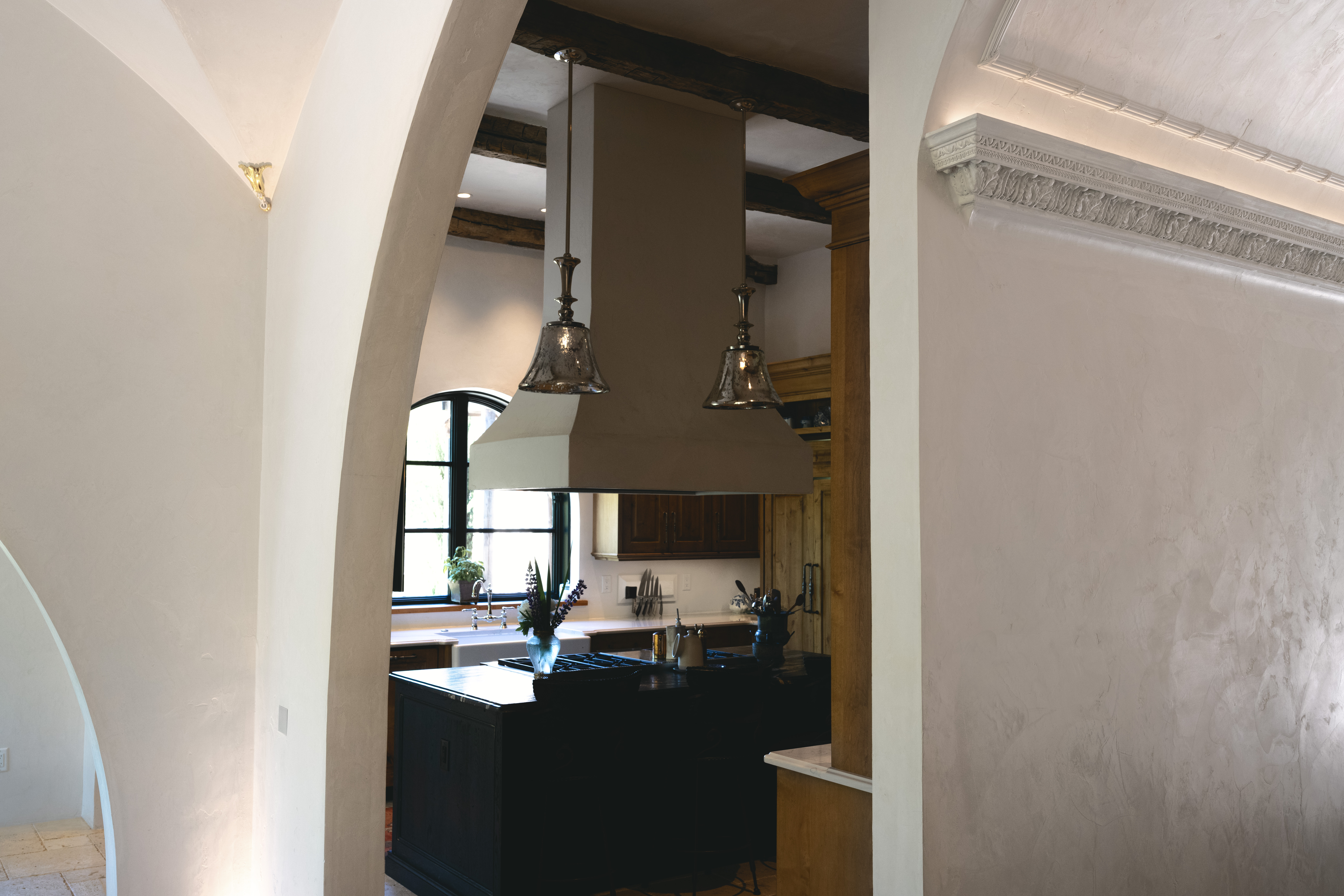
Veneer hardcoat in a Central Florida hospitality residence: the substrate that carries ornament
Veneer hardcoat is a high-density lime and gypsum plaster system specified when a wall has to carry cast ornament, run moldings, or hard daily wear.
Read .Ravencliff Residence in Venetian plaster: the suede finish that holds the room's light
At Ravencliff Residence in western North Carolina, Plaster by Orciani ran Venetian plaster across the public rooms in our suede finish: an irregular shine-and-matte combination, lime and marble dust, hand-burnished to the right amount of polish so the room reads the wall, not the other way around.
Read .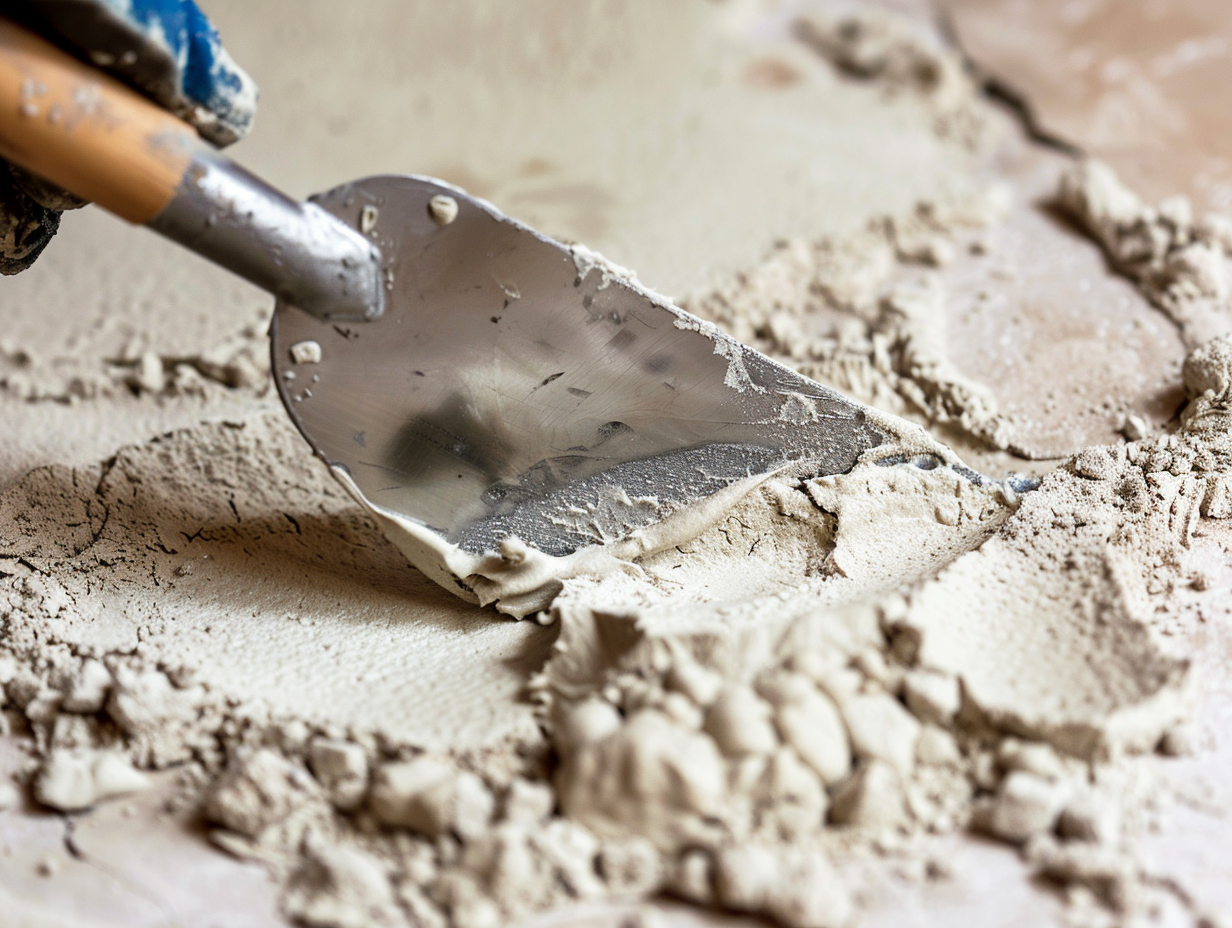
Marmorino vs Venetian plaster: where the line actually is
Marmorino and Venetian are lime and marble dust cousins. The line is not polish vs matte. It is aggregate grain, finish discipline, and the amount of polishing applied at the trowel. Most of PBO's Venetian work is a suede finish, irregular shine and matte, not a mirror. Specify on grain and polish target, not on the popular shorthand.
Read .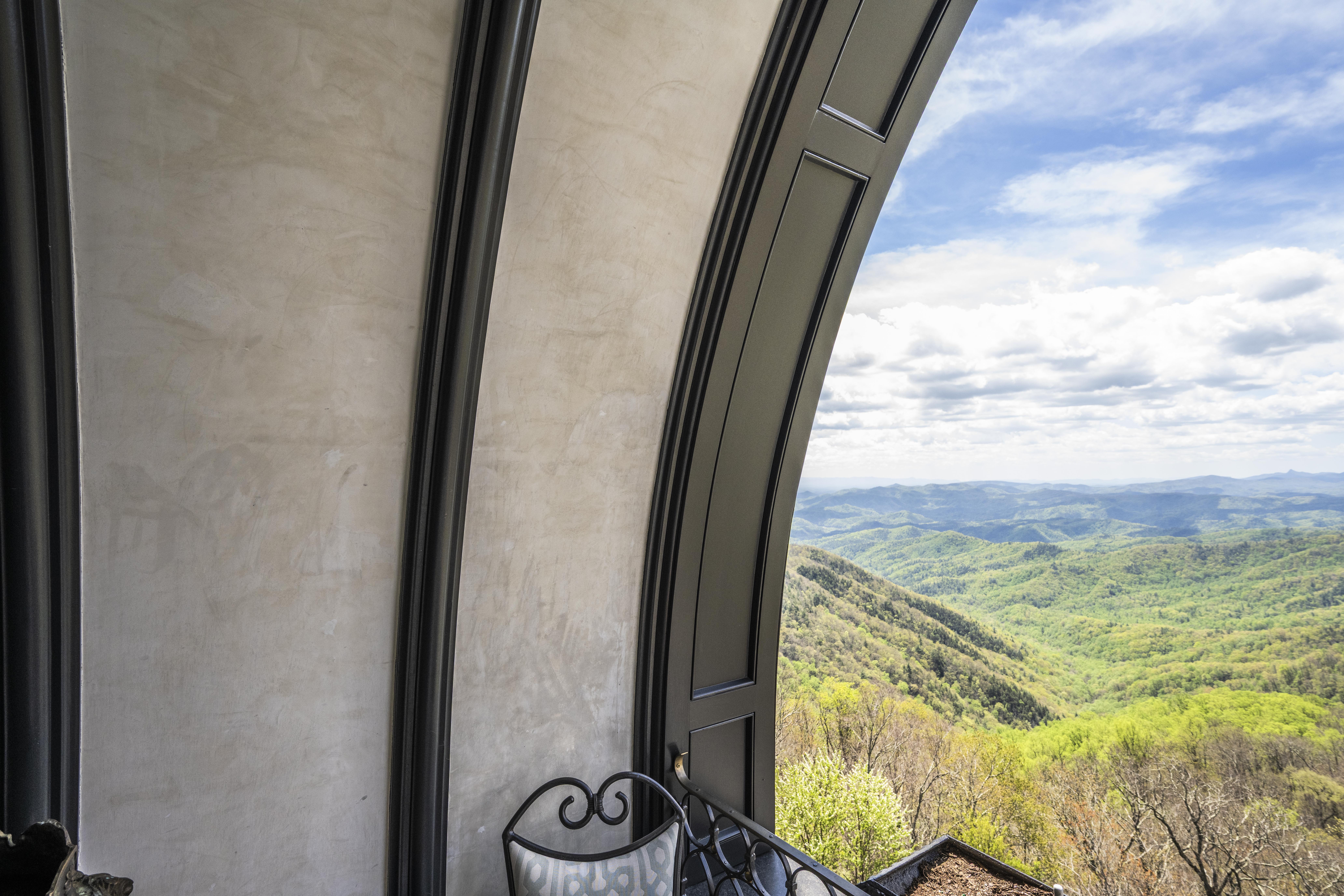
A note on photography: what you cannot see in a swatch
A plaster wall cannot be specified from a swatch. Plaster is mineral. The surface holds light from inside, and the same finish reads differently under different lighting, at different scales, in different rooms. Every commission needs sample boards reviewed in the actual room before the wall is touched.
Read .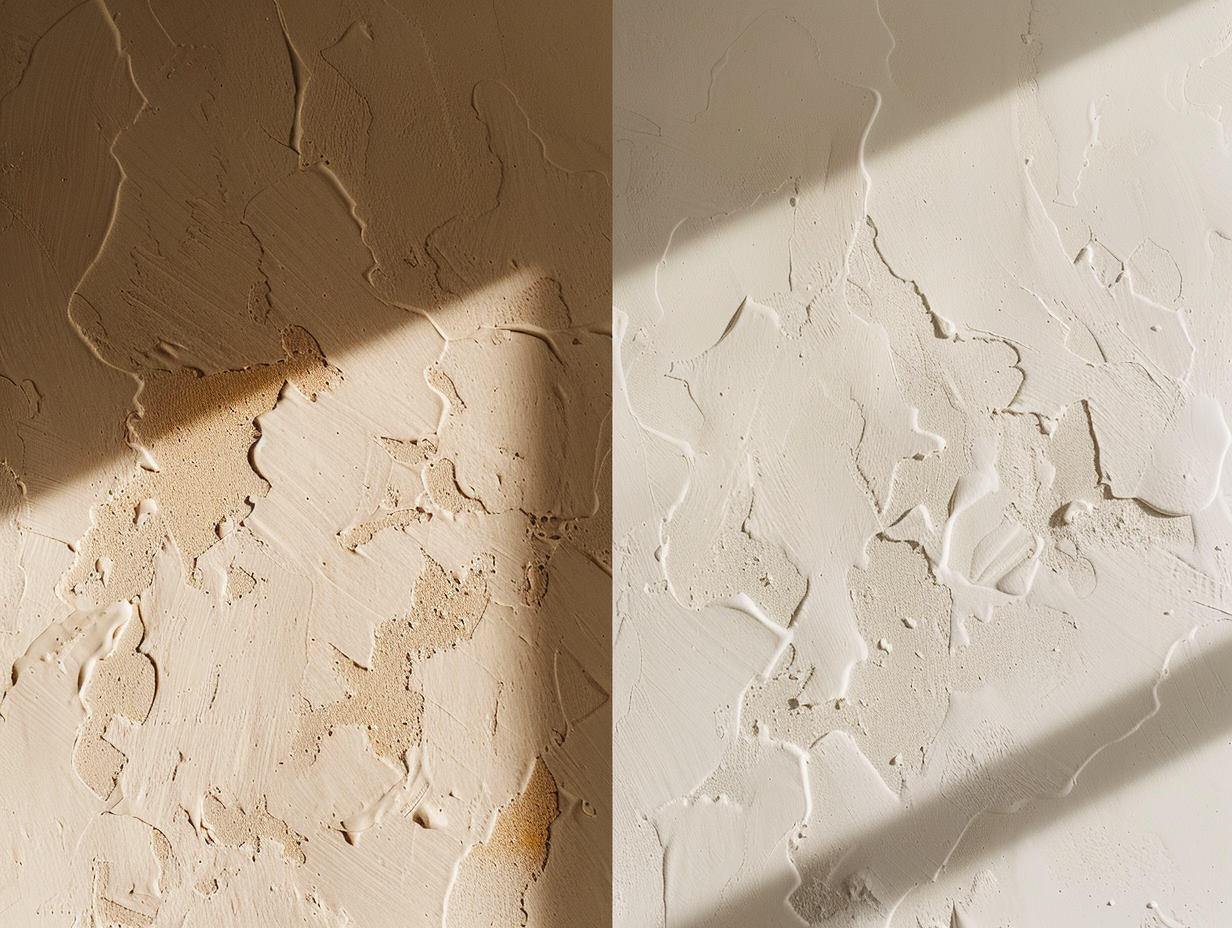
Plaster vs drywall: what specifiers should know before the wall goes in
Plaster is a building element with mineral substance. Drywall finished in paint is a coating over a paper-faced board. Specifiers choose between a wall the room is made of and a film brushed across a substrate. The right call depends on substrate, light, breathability, and the timescale you are designing for.
Read .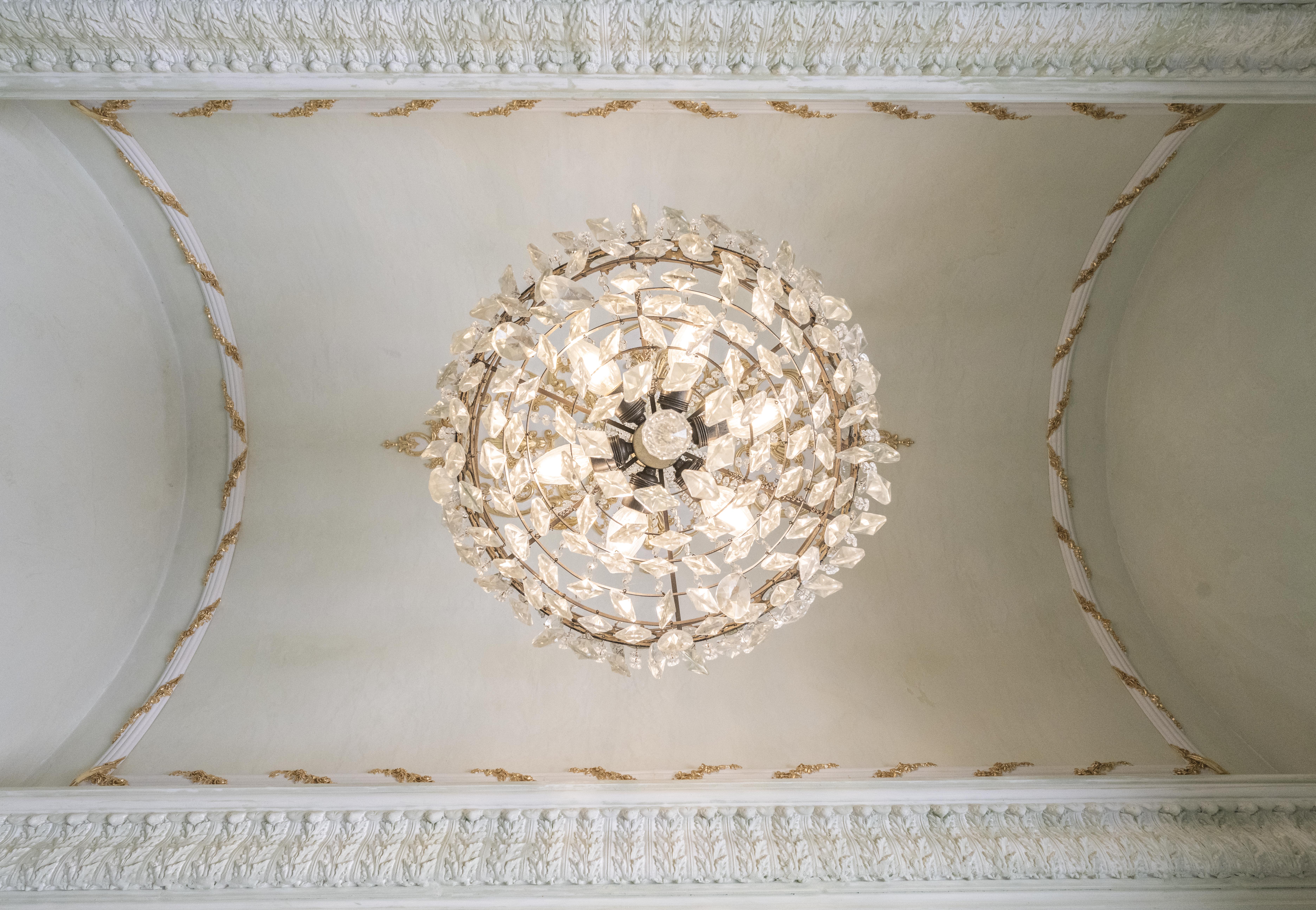
The quiet revival of ornamental plaster in residential work
Ornamental plaster is moving back into high-end residential work. Cornices, ceiling roses, base reveals, and applied ornament are being specified again by architects who want the wall and the profile to read as one material. Here is why, where, and what to ask for.
Read .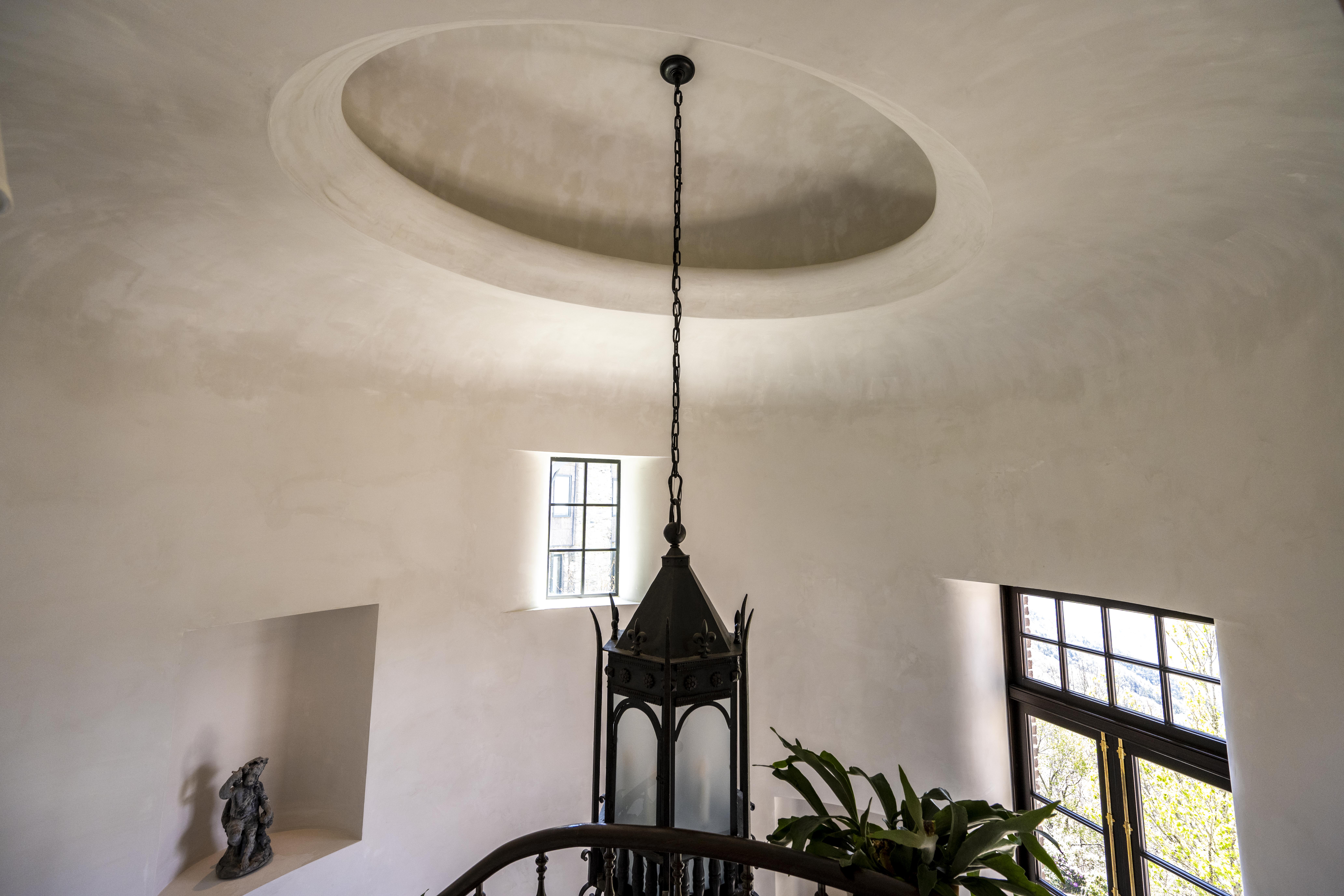
How long does Venetian plaster last in a residential interior?
Venetian plaster in a residential interior lasts decades and often the life of the wall itself. The variables that decide it are substrate prep, water exposure, and protection at chair-height. The finish itself outlives most paint cycles, since lime continues to harden over years rather than degrading.
Read .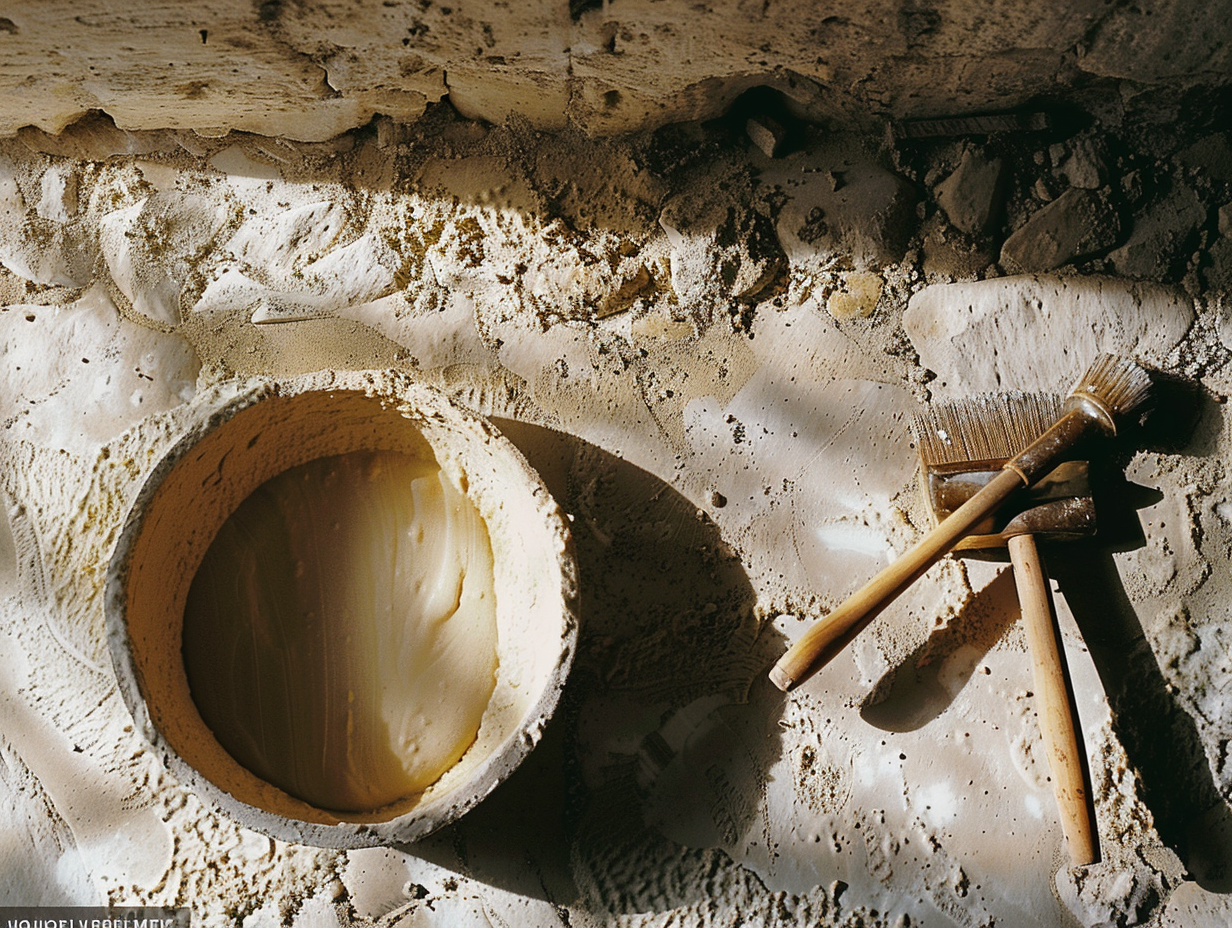
How to write a plaster spec for an architect's drawing
A clean plaster spec names six things: finish name, substrate and prep, coat sequence, sheen target, sample sign-off, and special conditions. Each one keeps the wall the architect drew from drifting into the wall the contractor happened to build. None of them takes more than a line in the finish schedule.
Read .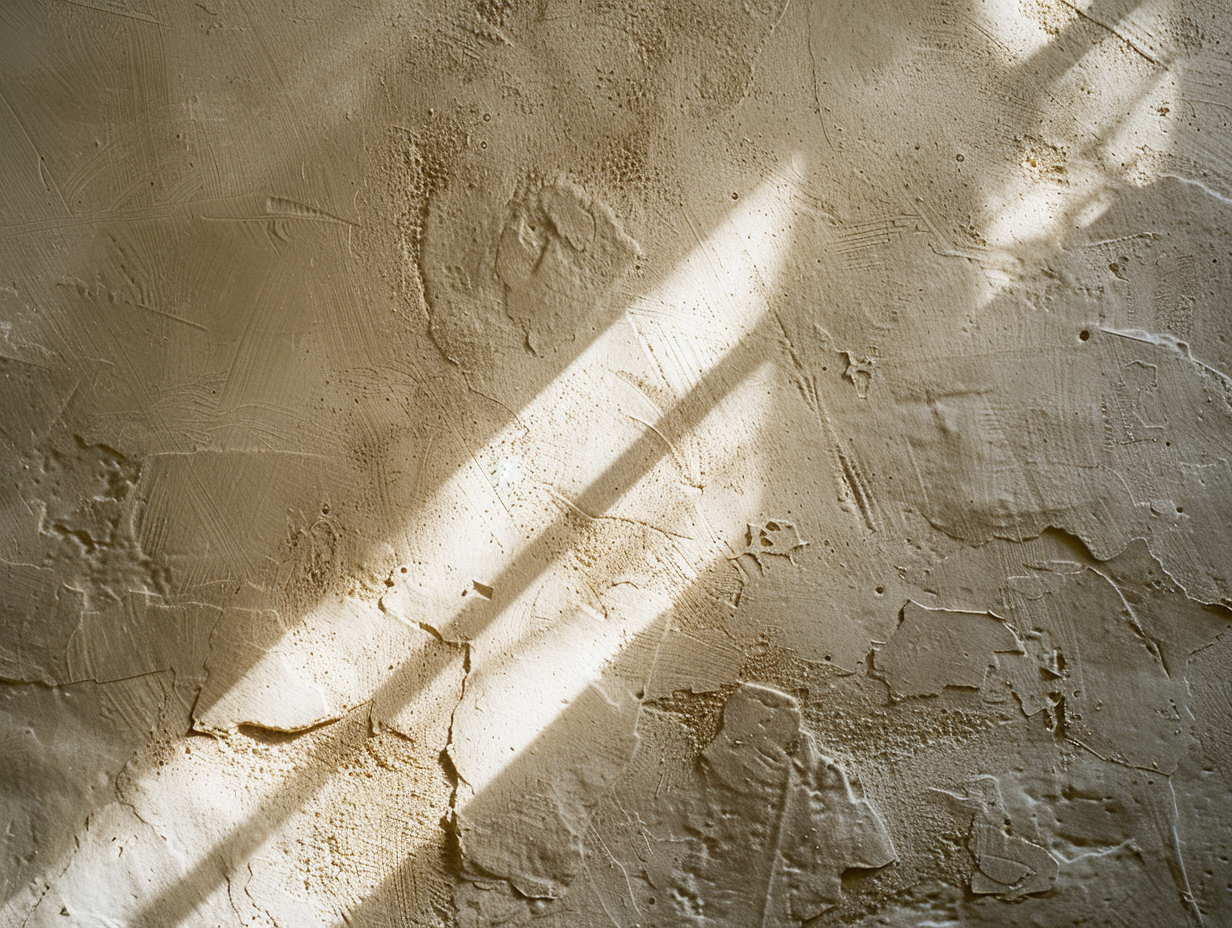
What plaster actually costs vs paint over the life of a wall
Plaster costs meaningfully more than paint at install. Over twenty years the math inverts. A plaster wall does not run a repaint cycle, does not flash at patched drywall seams in year two, and does not chip at the baseboard. The room you finish once stays finished.
Read .